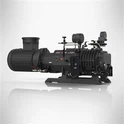
Maintaining dry screw vacuum pumps is crucial for ensuring their optimal performance, longevity, and reliability. As a leading supplier of Dry Screw Vacuum Pumps, I understand the significance of regular maintenance in maximizing the efficiency of these essential industrial equipment. In this blog post, I will delve into the question of how often dry screw vacuum pumps should be maintained, considering various factors that influence the maintenance frequency.


Understanding Dry Screw Vacuum Pumps
Before discussing maintenance intervals, it's important to have a basic understanding of dry screw vacuum pumps. These pumps are designed to create a vacuum by using two intermeshing screws that rotate in opposite directions. As the screws turn, they trap and compress gas, pushing it towards the exhaust port. Dry screw vacuum pumps are known for their oil-free operation, which makes them suitable for a wide range of applications, including chemical processing, semiconductor manufacturing, and food packaging.
Factors Influencing Maintenance Frequency
The frequency of maintenance for dry screw vacuum pumps depends on several factors, including the operating conditions, the type of application, and the manufacturer's recommendations. Here are some key factors to consider:
Operating Conditions
- Ambient Temperature and Humidity: High ambient temperatures and humidity can accelerate wear and tear on the pump components. In hot and humid environments, the pump may require more frequent maintenance to prevent overheating and corrosion.
- Contaminants in the Process Gas: If the process gas contains contaminants such as dust, dirt, or chemicals, it can cause damage to the pump's internal components. In such cases, more frequent maintenance may be necessary to clean or replace the affected parts.
- Operating Hours: The number of hours the pump operates per day or week also affects the maintenance frequency. Pumps that run continuously or for extended periods may require more frequent maintenance compared to those used intermittently.
Type of Application
- Chemical Processing: In chemical processing applications, the pump may be exposed to corrosive chemicals or solvents. This can lead to chemical attack on the pump components, requiring more frequent maintenance to prevent damage.
- Semiconductor Manufacturing: Semiconductor manufacturing processes often require high levels of cleanliness and precision. Dry screw vacuum pumps used in these applications may need to be maintained more frequently to ensure they meet the strict quality standards.
- Food Packaging: In food packaging applications, the pump must meet strict hygiene requirements. Regular maintenance is essential to prevent contamination and ensure the safety of the food products.
Manufacturer's Recommendations
- Maintenance Schedule: The manufacturer of the dry screw vacuum pump typically provides a recommended maintenance schedule based on the pump's design and intended use. It's important to follow these recommendations to ensure the pump operates at its best and to avoid voiding the warranty.
- Service Intervals: The manufacturer may also specify service intervals for tasks such as oil changes, filter replacements, and inspections. Adhering to these intervals can help prevent premature failure and extend the life of the pump.
General Maintenance Guidelines
Based on the factors mentioned above, here are some general guidelines for maintaining dry screw vacuum pumps:
Daily Checks
- Visual Inspection: Conduct a visual inspection of the pump to check for any signs of damage, leaks, or abnormal vibrations. Look for loose connections, worn belts, or damaged hoses.
- Temperature and Pressure Monitoring: Monitor the pump's temperature and pressure readings to ensure they are within the normal operating range. Any significant deviations may indicate a problem that requires further investigation.
- Oil Level Check: If the pump uses oil for lubrication, check the oil level and ensure it is at the recommended level. Low oil levels can cause excessive wear and damage to the pump components.
Weekly Checks
- Filter Inspection: Inspect the air intake filter and replace it if it is dirty or clogged. A dirty filter can restrict airflow and reduce the pump's performance.
- Belt Tension Check: Check the tension of the drive belts and adjust them if necessary. Loose belts can slip and cause the pump to operate inefficiently.
- Cooling System Inspection: If the pump has a cooling system, inspect it for any signs of leaks or blockages. Ensure that the cooling water is flowing properly and that the temperature is within the recommended range.
Monthly Checks
- Lubrication: If the pump uses oil for lubrication, change the oil according to the manufacturer's recommendations. Fresh oil helps to reduce friction and wear on the pump components.
- Valve Inspection: Inspect the valves in the pump's intake and exhaust lines to ensure they are functioning properly. Replace any damaged or worn valves.
- Seal Inspection: Check the seals on the pump to ensure they are tight and free of leaks. Leaking seals can allow air to enter the pump and reduce its performance.
Quarterly Checks
- Component Inspection: Conduct a more detailed inspection of the pump's internal components, such as the screws, bearings, and gears. Look for any signs of wear, damage, or corrosion. Replace any worn or damaged components as needed.
- Alignment Check: Check the alignment of the pump and motor to ensure they are properly aligned. Misaligned components can cause excessive vibration and premature wear.
- Performance Testing: Perform a performance test on the pump to ensure it is operating at its rated capacity. Compare the test results with the manufacturer's specifications to identify any potential issues.
Annual Checks
- Comprehensive Maintenance: At least once a year, perform a comprehensive maintenance service on the pump. This may include disassembling the pump, cleaning all the components, and replacing any worn or damaged parts.
- Calibration: Calibrate the pump's sensors and controls to ensure they are accurate and reliable. This helps to maintain the pump's performance and prevent any potential problems.
- Documentation: Keep a detailed record of all maintenance activities, including the date, type of maintenance performed, and any parts replaced. This documentation can be useful for tracking the pump's maintenance history and identifying any trends or patterns.
Importance of Regular Maintenance
Regular maintenance of dry screw vacuum pumps offers several benefits, including:
- Improved Performance: By keeping the pump in good condition, regular maintenance helps to ensure that it operates at its optimal performance. This can result in higher productivity, lower energy consumption, and better product quality.
- Extended Lifespan: Proper maintenance can help to extend the lifespan of the pump by preventing premature wear and damage to the components. This can save you money in the long run by reducing the need for frequent replacements.
- Reduced Downtime: Regular maintenance can help to identify and address potential problems before they cause major breakdowns. This can minimize downtime and ensure that your production processes run smoothly.
- Enhanced Safety: A well-maintained pump is less likely to malfunction or cause accidents. By following the recommended maintenance schedule, you can help to ensure the safety of your employees and the reliability of your equipment.
Conclusion
In conclusion, the frequency of maintenance for dry screw vacuum pumps depends on several factors, including the operating conditions, the type of application, and the manufacturer's recommendations. By following the general maintenance guidelines outlined in this blog post, you can ensure that your dry screw vacuum pump operates at its best and provides reliable performance for years to come.
As a supplier of Dry Screw Vacuum Pumps, we offer a range of high-quality pumps, including Chemical Resistant Vacuum Pump, Dry Vane Vacuum Pump, and Dry Air Vacuum Pump. Our pumps are designed to meet the diverse needs of various industries and are backed by our commitment to quality and customer service.
If you are interested in learning more about our dry screw vacuum pumps or need assistance with maintenance and servicing, please contact us. Our team of experts is ready to help you find the right solution for your specific requirements.
References
- Manufacturer's manuals and technical documentation for dry screw vacuum pumps.
- Industry standards and best practices for vacuum pump maintenance.
- Technical articles and research papers on vacuum pump technology and maintenance.