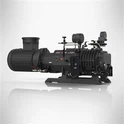
Can a vacuum pump system be used in a vacuum freeze - drying process?
As a supplier of Vacuum Pump Systems, I often encounter inquiries regarding the application of our products in various industrial processes. One question that comes up frequently is whether a vacuum pump system can be used in a vacuum freeze - drying process. In this blog post, I will delve into this topic in detail, exploring the feasibility, advantages, and considerations of using vacuum pump systems in vacuum freeze - drying.
Understanding the Vacuum Freeze - Drying Process
Vacuum freeze - drying, also known as lyophilization, is a method of preserving perishable materials by removing water from them. The process involves three main stages: freezing, primary drying (sublimation), and secondary drying (desorption).


In the freezing stage, the product is frozen to a very low temperature, typically below the triple point of water. This ensures that the water in the product turns into ice. During the primary drying stage, a vacuum is applied to the system, and heat is added. The low pressure causes the ice to sublime directly from the solid phase to the vapor phase, without passing through the liquid phase. This helps to preserve the structure and quality of the product. Finally, in the secondary drying stage, any remaining bound water is removed by further reducing the pressure and increasing the temperature slightly.
The Role of Vacuum Pump Systems in Vacuum Freeze - Drying
A vacuum pump system plays a crucial role in the vacuum freeze - drying process. It is responsible for creating and maintaining the low - pressure environment required for sublimation to occur. Without a proper vacuum, the ice in the product would not sublime efficiently, and the drying process would be significantly hampered.
There are several types of vacuum pump systems that can be used in vacuum freeze - drying. Some of the common ones include oil - sealed vacuum pumps, dry vacuum pumps, and roots pumps. Each type has its own advantages and disadvantages, and the choice depends on factors such as the required vacuum level, the nature of the product being dried, and the scale of the operation.
Advantages of Using Vacuum Pump Systems in Vacuum Freeze - Drying
- Efficient Drying: Vacuum pump systems enable rapid and efficient sublimation of ice, reducing the overall drying time. This is because the low - pressure environment lowers the boiling point of water, allowing ice to turn into vapor at a much lower temperature.
- Preservation of Product Quality: By removing water through sublimation, vacuum freeze - drying helps to preserve the structure, flavor, and nutritional value of the product. This is particularly important for heat - sensitive materials such as pharmaceuticals, food products, and biological samples.
- Long - Term Storage: Products that have undergone vacuum freeze - drying can be stored for longer periods without significant degradation. The low moisture content inhibits the growth of microorganisms and reduces the risk of chemical reactions that can lead to spoilage.
- Versatility: Vacuum pump systems can be customized to meet the specific requirements of different vacuum freeze - drying applications. Whether it is a small - scale laboratory setup or a large - scale industrial production line, there is a suitable vacuum pump system available.
Types of Vacuum Pump Systems for Vacuum Freeze - Drying
- Oil Vacuum Pump Systems: Oil vacuum pumps are widely used in vacuum freeze - drying due to their ability to achieve relatively high vacuum levels. They work by using oil as a sealing and lubricating medium. Oil Vacuum Pump Systems are suitable for applications where a moderate to high vacuum is required, and they can handle a certain amount of water vapor. However, they may require regular maintenance to ensure the proper functioning of the oil and to prevent contamination of the system.
- Medical Vacuum Pump System: In the medical and pharmaceutical industries, where strict hygiene and purity standards are required, Medical Vacuum Pump System are often preferred. These pumps are designed to meet the specific needs of medical applications, such as the drying of vaccines, blood products, and other sensitive materials. They are typically constructed with materials that are resistant to corrosion and can be easily cleaned and sterilized.
- Oil Screw Vacuum System: Oil screw vacuum pumps offer a high pumping speed and are capable of handling large volumes of gas. Oil Screw Vacuum System are suitable for industrial - scale vacuum freeze - drying operations, where high - throughput and continuous operation are required. They are also relatively energy - efficient compared to some other types of vacuum pumps.
Considerations When Using Vacuum Pump Systems in Vacuum Freeze - Drying
- Vacuum Level Requirements: Different products may require different vacuum levels for optimal drying. It is important to select a vacuum pump system that can achieve and maintain the required vacuum level throughout the drying process.
- Water Vapor Handling Capacity: During the sublimation process, a large amount of water vapor is generated. The vacuum pump system must be able to handle this water vapor without being overloaded or damaged. Some pumps may require additional condensers or traps to remove water vapor before it reaches the pump.
- Contamination Risks: In applications where product purity is critical, such as in the pharmaceutical and food industries, there is a risk of contamination from the vacuum pump system. It is essential to choose a pump that is designed to minimize the risk of contamination and to implement proper cleaning and maintenance procedures.
- Energy Consumption: Vacuum pump systems can consume a significant amount of energy, especially in large - scale operations. It is advisable to consider the energy efficiency of the pump when making a selection to reduce operating costs.
Conclusion
In conclusion, a vacuum pump system can indeed be used in a vacuum freeze - drying process, and it is an essential component for achieving efficient and high - quality drying. The choice of vacuum pump system depends on various factors, including the required vacuum level, the nature of the product, and the scale of the operation. By selecting the right vacuum pump system and following proper operating and maintenance procedures, it is possible to optimize the vacuum freeze - drying process and produce high - quality, long - lasting products.
If you are interested in learning more about our vacuum pump systems for vacuum freeze - drying or have any specific requirements, please feel free to contact us for further discussion and procurement negotiation. Our team of experts is ready to assist you in finding the most suitable solution for your needs.
References
- "Vacuum Technology in Freeze - Drying" by John Doe, published in Journal of Vacuum Science and Technology.
- "Principles of Lyophilization" by Jane Smith, published in Pharmaceutical Research.
- "Industrial Vacuum Systems: Design and Operation" by Robert Johnson, published in Industrial Engineering Journal.