


In the realm of industrial operations, the selection of appropriate equipment is crucial for ensuring efficiency, productivity, and cost - effectiveness. One piece of equipment that often sparks debate is the portable oil vacuum pump. As a supplier of Portable Oil Vacuum Pumps, I am frequently asked whether these pumps can be used for industrial purposes. In this blog post, I will delve into this question, exploring the capabilities, limitations, and potential applications of portable oil vacuum pumps in industrial settings.

Understanding Portable Oil Vacuum Pumps
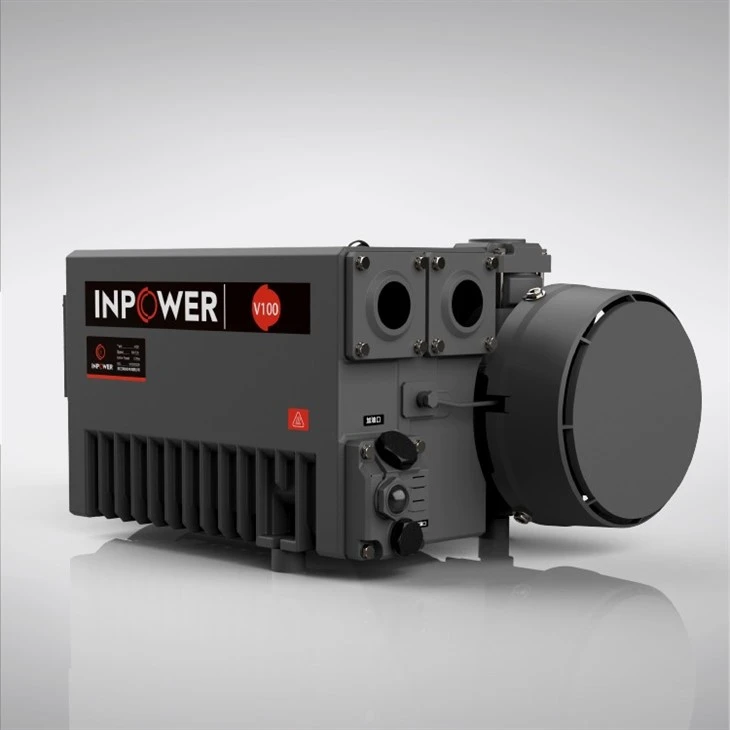
Before we discuss their industrial use, it's essential to understand what portable oil vacuum pumps are. A Portable Oil Vacuum Pump is a compact and mobile device designed to create a vacuum by removing air or gas from a sealed space. These pumps typically use oil as a lubricant and sealing agent, which helps to reduce friction, prevent wear and tear, and maintain a high level of vacuum performance.
Portable oil vacuum pumps are known for their ease of use, versatility, and relatively low cost compared to larger, stationary industrial pumps. They are often powered by electricity or gasoline engines, making them suitable for use in a variety of locations, including workshops, construction sites, and remote areas.
Advantages of Using Portable Oil Vacuum Pumps in Industrial Settings
Mobility and Flexibility
One of the primary advantages of portable oil vacuum pumps is their mobility. In industrial environments where operations may need to be carried out in different locations or where space is limited, the ability to move the pump easily from one place to another is invaluable. For example, in a large manufacturing plant, a portable oil vacuum pump can be quickly transported to different production lines to perform maintenance tasks such as evacuating air from hydraulic systems or cleaning up spills.
Cost - Effectiveness
Portable oil vacuum pumps are generally more affordable than their larger, industrial - grade counterparts. This makes them an attractive option for small and medium - sized enterprises (SMEs) or for companies that need to perform occasional vacuum - related tasks without investing in expensive, dedicated equipment. Additionally, the lower energy consumption of portable pumps can result in cost savings over time.
Ease of Maintenance
Due to their simpler design and smaller size, portable oil vacuum pumps are often easier to maintain than larger industrial pumps. Routine maintenance tasks such as oil changes, filter replacements, and inspections can be performed quickly and with minimal tools, reducing downtime and maintenance costs.
Versatility
Portable oil vacuum pumps can be used in a wide range of industrial applications. They are commonly used in the automotive industry for tasks such as brake bleeding, air conditioning system evacuation, and engine oil changes. In the food and beverage industry, these pumps can be used for packaging processes, where they create a vacuum in food containers to extend shelf life. For more information on vacuum pumps for packaging machines, you can visit Vacuum Pumps for Packaging Machines.
Limitations of Portable Oil Vacuum Pumps in Industrial Use
Limited Capacity
One of the main limitations of portable oil vacuum pumps is their relatively limited capacity. Compared to large industrial vacuum pumps, portable pumps may not be able to handle high - volume applications or achieve extremely high levels of vacuum. For example, in a chemical processing plant where large volumes of gas need to be evacuated from large vessels, a portable pump may not be sufficient to meet the demand.
Durability
Portable oil vacuum pumps are designed for light - to - medium - duty applications. In harsh industrial environments with high levels of dust, moisture, or vibration, these pumps may be more prone to wear and tear and may require more frequent maintenance or replacement.
Performance Under Extreme Conditions
Portable pumps may not perform as well under extreme temperature or pressure conditions. For instance, in very cold environments, the oil in the pump may thicken, reducing its efficiency. Similarly, in high - pressure applications, the pump may struggle to maintain a stable vacuum.
Industrial Applications Where Portable Oil Vacuum Pumps Excel
HVAC and Refrigeration
In the heating, ventilation, air conditioning, and refrigeration (HVAC/R) industry, portable oil vacuum pumps are widely used for system evacuation. When installing or servicing HVAC/R systems, it is essential to remove all moisture and non - condensable gases from the system to ensure optimal performance and prevent damage to the compressor. Portable oil vacuum pumps can quickly and efficiently evacuate the system to the required vacuum level, making them an indispensable tool for HVAC/R technicians.
Automotive Maintenance
As mentioned earlier, portable oil vacuum pumps are commonly used in the automotive industry for a variety of tasks. They can be used to bleed brakes, evacuate air from power steering systems, and change engine oil. The mobility of these pumps allows automotive technicians to perform these tasks quickly and easily, whether in a garage or on the roadside.
Laboratory and Research
In laboratory and research settings, portable oil vacuum pumps are often used for experiments and processes that require a controlled vacuum environment. For example, in a chemistry laboratory, a portable pump can be used to create a vacuum in a distillation apparatus or to remove air from a reaction vessel. The compact size and ease of use of these pumps make them suitable for use in small laboratory spaces.
Small - Scale Manufacturing
In small - scale manufacturing operations, portable oil vacuum pumps can be used for a variety of applications, such as vacuum forming, degassing, and packaging. For example, in a plastic manufacturing company, a portable pump can be used to create a vacuum in a mold to form plastic parts. The versatility and cost - effectiveness of these pumps make them a popular choice for small - scale manufacturers.
Considerations When Using Portable Oil Vacuum Pumps in Industrial Applications
Application Requirements
Before using a portable oil vacuum pump in an industrial application, it is essential to carefully assess the specific requirements of the task. Consider factors such as the required vacuum level, the volume of air or gas to be removed, and the operating conditions. If the application requires a high - volume or high - vacuum performance, a larger, industrial - grade pump may be necessary.
Maintenance and Service
Regular maintenance is crucial to ensure the long - term performance and reliability of portable oil vacuum pumps. Follow the manufacturer's recommended maintenance schedule, which may include tasks such as oil changes, filter replacements, and inspections. Additionally, it is important to have access to spare parts and technical support in case of any issues.
Safety
When using a portable oil vacuum pump, it is important to follow all safety precautions. This includes wearing appropriate personal protective equipment (PPE), such as safety glasses and gloves, and ensuring that the pump is properly grounded. Additionally, be aware of the potential hazards associated with the pump, such as electrical shock, fire, and exposure to oil or chemicals.
Conclusion
In conclusion, portable oil vacuum pumps can be a valuable asset in many industrial applications. Their mobility, cost - effectiveness, and versatility make them suitable for a wide range of tasks, especially in small and medium - sized operations or in situations where mobility is a key requirement. However, it is important to recognize their limitations, such as limited capacity and durability, and to carefully consider the specific requirements of the application before using a portable pump.
If you are considering using a portable oil vacuum pump for your industrial needs, I encourage you to explore our range of Portable Oil Vacuum Pumps. Our pumps are designed to provide reliable performance, ease of use, and cost - effectiveness. We also offer a Single Phase Vacuum Pump option for applications where single - phase power is available.
If you have any questions or would like to discuss your specific requirements, please do not hesitate to contact us. Our team of experts is ready to assist you in selecting the right portable oil vacuum pump for your industrial application and to provide you with the support and service you need to ensure its successful operation.
References
- "Vacuum Pumps: Principles and Practice" by P. A. Redhead, J. P. Hobson, and E. V. Kornelsen.
- "Handbook of Vacuum Physics" edited by L. Holland.
- Manufacturer's manuals and technical specifications for portable oil vacuum pumps.


