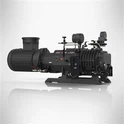
As a trusted supplier of Oil Vacuum Systems, I understand the significance of ensuring the long - term operation of these critical pieces of equipment. Oil vacuum systems are widely used in various industries, including manufacturing, chemical processing, and power generation. Their reliable performance is essential for maintaining productivity and efficiency. In this blog, I will share some key strategies and best practices on how to ensure the long - term operation of an oil vacuum system.
1. Proper Installation
The first step in ensuring the long - term operation of an oil vacuum system is proper installation. A well - installed system is less likely to encounter problems in the future. When installing the system, it is crucial to follow the manufacturer's guidelines. This includes ensuring that the system is installed on a stable and level surface to prevent vibrations that can damage components over time.
In addition, the connections between different parts of the system, such as pipes and valves, must be properly sealed. Leaks can not only reduce the efficiency of the system but also lead to contamination of the oil. For example, if there are leaks in the intake pipes, dust and other contaminants can enter the system, which may cause premature wear of the pumps and other components.
2. Regular Maintenance
Regular maintenance is the cornerstone of long - term system operation. This involves several key aspects of the oil vacuum system.
Oil Checks and Changes
The oil in the vacuum pump is crucial for its proper functioning. It lubricates the moving parts, reduces friction, and helps to seal the pump chambers. Over time, the oil can become contaminated with dirt, moisture, and other impurities. Therefore, regular oil checks are necessary. You should monitor the oil level and its quality regularly. If the oil appears dirty or has an unusual odor, it may be time for a change.
The frequency of oil changes depends on several factors, such as the operating conditions and the type of pump. In general, for systems operating under normal conditions, oil changes may be required every few months. However, in more demanding environments, such as those with high levels of dust or moisture, more frequent oil changes may be necessary.
Filter Replacements
Filters play a vital role in protecting the system from contaminants. They trap dirt, debris, and other particles that could otherwise damage the pump and other components. Just like the oil, filters need to be replaced regularly. A clogged filter can restrict the flow of oil and air in the system, leading to increased energy consumption and reduced performance.
The replacement interval for filters can be found in the system's user manual. However, it is also a good practice to visually inspect the filters regularly to check for signs of clogging or damage.
Component Inspections
All components of the oil vacuum system, including the pumps, valves, and pipes, should be inspected regularly. Look for signs of wear, such as cracks, corrosion, or loose connections. For instance, a worn - out valve may not close properly, which can lead to a loss of vacuum.
Pumps are the heart of the oil vacuum system, and they require special attention. Check the pump's bearings, seals, and impellers for any signs of damage. If any issues are detected, they should be addressed immediately to prevent further damage.
3. Operator Training
Well - trained operators are essential for the long - term operation of an oil vacuum system. Operators should be familiar with the system's operating procedures, safety guidelines, and basic maintenance tasks.


Proper training can help operators avoid common mistakes that can damage the system. For example, starting or stopping the system incorrectly can cause sudden pressure changes, which may damage the pumps or other components. Operators should also know how to recognize the early signs of system problems, such as unusual noises or vibrations, and take appropriate action.
4. Monitoring and Control
Implementing a monitoring and control system is an effective way to ensure the long - term operation of an oil vacuum system. This can include sensors that measure various parameters, such as pressure, temperature, and flow rate.
By continuously monitoring these parameters, operators can detect any abnormal changes in the system's performance. For example, a sudden increase in temperature may indicate a problem with the pump's cooling system, while a drop in pressure may suggest a leak. Once an abnormal condition is detected, appropriate measures can be taken promptly to prevent the problem from escalating.
In addition, modern control systems can automate many aspects of the system's operation, such as starting and stopping the pumps based on pre - set conditions. This not only improves the efficiency of the system but also reduces the risk of human error.
5. Use of Quality Components
The quality of the components used in the oil vacuum system has a significant impact on its long - term operation. When choosing components, such as pumps, valves, and filters, it is important to select high - quality products from reputable manufacturers.
High - quality components are more durable and reliable, and they are less likely to fail prematurely. For example, a well - designed pump with high - quality bearings and seals will have a longer service life and require less maintenance.
As a supplier, we offer a wide range of Oil Vacuum Pump Systems that are built with high - quality components. Our systems are designed to meet the highest standards of performance and reliability, ensuring long - term operation for our customers.
6. Understanding Different Vacuum Pump Types
There are various Vacuum Pump Types available in the market, and each type has its own characteristics and requirements. Understanding the specific type of vacuum pump used in your system is crucial for its long - term operation.
For example, rotary vane pumps are commonly used in many oil vacuum systems. They are relatively simple in design and offer good performance. However, they require regular oil changes and proper lubrication to prevent the vanes from wearing out. On the other hand, diaphragm pumps are more suitable for applications where a clean and dry vacuum is required. They have fewer moving parts, which means less maintenance, but they may have limitations in terms of the maximum vacuum level they can achieve.
7. Consideration of Tank Mounted Vacuum Pumps
If your oil vacuum system uses a Tank Mounted Vacuum Pump, there are some additional considerations. Tank mounted vacuum pumps are often used in applications where the system needs to be compact and portable.
When using a tank mounted vacuum pump, it is important to ensure that the tank is properly sized and installed. The tank should be able to hold an adequate amount of oil to meet the system's requirements. In addition, the connection between the pump and the tank should be secure to prevent leaks.
Conclusion
Ensuring the long - term operation of an oil vacuum system requires a comprehensive approach that includes proper installation, regular maintenance, operator training, monitoring and control, use of quality components, understanding of different pump types, and consideration of specific system configurations such as tank mounted pumps.
As a supplier of Oil Vacuum Systems, we are committed to providing our customers with high - quality products and professional support. If you are interested in our products or need more information on how to ensure the long - term operation of your oil vacuum system, please feel free to contact us for procurement and further discussions.
References
- "Vacuum Technology Handbook", Various Authors
- Manufacturer's manuals for oil vacuum systems and components