


What is the vacuum holding time of a portable oil vacuum pump?
As a supplier of Portable Oil Vacuum Pumps, I often encounter questions from customers regarding the vacuum holding time of these pumps. Vacuum holding time is a crucial parameter that determines the efficiency and reliability of a vacuum pump in various applications. In this blog post, I will delve into the concept of vacuum holding time, factors that affect it, and how it relates to our Portable Oil Vacuum Pumps.
Understanding Vacuum Holding Time
Vacuum holding time refers to the duration for which a vacuum pump can maintain a specific vacuum level within a sealed system after the pump has stopped operating. It is a measure of the pump's ability to prevent air leakage into the system and maintain the desired vacuum conditions. A longer vacuum holding time indicates better sealing and performance of the pump.
In practical applications, vacuum holding time is essential for processes that require a stable vacuum environment, such as vacuum packaging, vacuum drying, and vacuum degassing. For example, in vacuum packaging, a long vacuum holding time ensures that the packaged products remain fresh and protected from oxidation and contamination.
Factors Affecting Vacuum Holding Time
Several factors can influence the vacuum holding time of a portable oil vacuum pump. Understanding these factors is crucial for optimizing the performance of the pump and achieving the desired vacuum conditions.
- Sealing Quality: The quality of the seals in the vacuum pump and the connected system is one of the most critical factors affecting vacuum holding time. Any leaks in the seals can allow air to enter the system, reducing the vacuum level and shortening the holding time. High-quality seals made from materials such as rubber or silicone can provide better sealing performance and longer holding times.
- Pump Design: The design of the vacuum pump also plays a significant role in determining the vacuum holding time. Pumps with a more efficient design, such as those with fewer moving parts and better internal sealing, tend to have longer holding times. Additionally, the type of pump, such as a Single Stage Rotary Vane Pump or an Oil Sealed Rotary Vane Pumps, can affect the holding time.
- System Volume: The volume of the system being evacuated also affects the vacuum holding time. Larger systems require more time to reach the desired vacuum level and may have a shorter holding time due to the increased surface area for potential leaks. Conversely, smaller systems can achieve a higher vacuum level more quickly and may have a longer holding time.
- Operating Conditions: The operating conditions of the vacuum pump, such as temperature and pressure, can also impact the vacuum holding time. Higher temperatures can cause the seals to expand and lose their sealing properties, while lower pressures can increase the risk of air leakage. It is essential to operate the pump within the recommended temperature and pressure ranges to ensure optimal performance.
Vacuum Holding Time of Our Portable Oil Vacuum Pumps
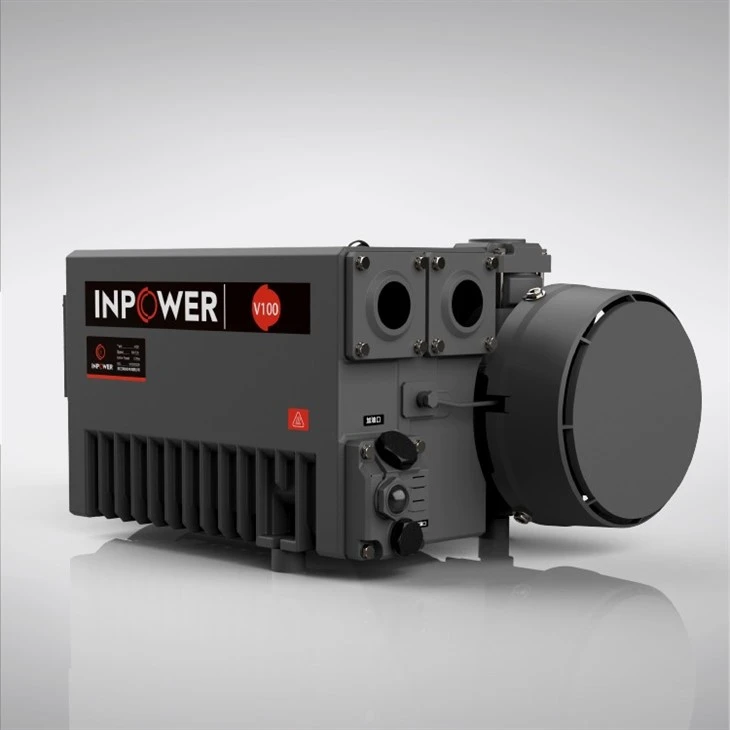
At our company, we offer a range of Portable Oil Vacuum Pumps that are designed to provide excellent vacuum holding time and reliable performance. Our pumps are equipped with high-quality seals and advanced pumping mechanisms to minimize air leakage and maintain a stable vacuum environment.
The vacuum holding time of our portable oil vacuum pumps can vary depending on the specific model and application. However, in general, our pumps can maintain a vacuum level of up to 10^-3 mbar for several hours, ensuring long-term stability and reliability. We also offer customized solutions to meet the specific requirements of our customers, including pumps with longer holding times for applications that require a more stable vacuum environment.
Measuring Vacuum Holding Time
To measure the vacuum holding time of a portable oil vacuum pump, a vacuum gauge is typically used to monitor the vacuum level within the system. The pump is first operated to achieve the desired vacuum level, and then the power is turned off. The vacuum gauge is then used to record the change in vacuum level over time.
The vacuum holding time is usually defined as the time it takes for the vacuum level to increase by a certain amount, such as 10% or 20% of the initial vacuum level. For example, if the initial vacuum level is 10^-3 mbar and the vacuum holding time is defined as the time it takes for the vacuum level to increase to 10^-2 mbar, the holding time can be measured by monitoring the vacuum level until it reaches this value.

Optimizing Vacuum Holding Time
To optimize the vacuum holding time of a portable oil vacuum pump, several steps can be taken:
- Regular Maintenance: Regular maintenance of the pump, including cleaning, lubrication, and seal replacement, is essential to ensure optimal performance and long-term reliability. This can help prevent leaks and ensure that the pump operates at its best.
- Proper Installation: Proper installation of the pump and the connected system is crucial to minimize air leakage. Ensure that all connections are tight and that the seals are properly installed and maintained.
- System Design: The design of the system being evacuated can also affect the vacuum holding time. Minimize the volume of the system and use high-quality materials to reduce the risk of leaks.
- Monitoring and Control: Regularly monitor the vacuum level within the system using a vacuum gauge and adjust the pump operation as needed to maintain the desired vacuum level. This can help ensure that the vacuum holding time is maximized.
Conclusion
Vacuum holding time is a critical parameter that determines the efficiency and reliability of a portable oil vacuum pump. By understanding the factors that affect vacuum holding time and taking steps to optimize it, you can ensure that your pump provides long-term stability and performance.
At our company, we are committed to providing high-quality Portable Oil Vacuum Pumps that offer excellent vacuum holding time and reliable performance. If you have any questions or need further information about our products, please do not hesitate to contact us. We look forward to working with you to meet your vacuum pumping needs.
References
- "Vacuum Technology: A Practical Guide," by John F. O'Hanlon
- "Handbook of Vacuum Physics," edited by D. M. Brown and A. C. Ferrari


