


Determining the starting time of an auxiliary vacuum pump is a critical aspect for industries relying on vacuum systems. As a reputable supplier of Auxiliary Vacuum Pumps, we understand the importance of this parameter in ensuring the efficient and reliable operation of vacuum systems. In this blog, we will delve into the factors that influence the starting time of an auxiliary vacuum pump and how to optimize it for your specific applications.
Understanding the Role of an Auxiliary Vacuum Pump
Before discussing the starting time, it's essential to understand the function of an auxiliary vacuum pump. An Auxiliary Vacuum Pump is often used in conjunction with a main vacuum pump to enhance the overall performance of the vacuum system. It helps to achieve a higher vacuum level more quickly, especially in applications where a rapid evacuation is required.
Auxiliary vacuum pumps are commonly used in various industries, including semiconductor manufacturing, chemical processing, food packaging, and pharmaceutical production. They play a crucial role in creating and maintaining the desired vacuum environment for specific processes, such as degassing, distillation, and drying.
Factors Affecting the Starting Time
Several factors can influence the starting time of an auxiliary vacuum pump. Understanding these factors is key to optimizing the performance of your vacuum system.
System Volume
The volume of the vacuum system is one of the primary factors affecting the starting time. A larger system volume requires more time for the pump to evacuate the air and reach the desired vacuum level. For example, in a large industrial vacuum chamber used for semiconductor manufacturing, the auxiliary vacuum pump may take longer to start up compared to a smaller laboratory-scale system.
Initial Pressure
The initial pressure inside the vacuum system also plays a significant role in determining the starting time. If the initial pressure is high, the pump has to work harder to reduce the pressure to the desired level. This can result in a longer starting time. In some applications, pre - evacuation or purging of the system can be used to reduce the initial pressure and shorten the starting time.
Pump Capacity
The capacity of the auxiliary vacuum pump is another crucial factor. A pump with a higher pumping speed can evacuate the air more quickly, resulting in a shorter starting time. When selecting an auxiliary vacuum pump, it's important to choose a pump with a capacity that is appropriate for the size and requirements of your vacuum system.
Gas Load
The amount of gas present in the system, known as the gas load, can also affect the starting time. If there is a high gas load, such as in a process where volatile chemicals are being used, the pump has to remove more gas to achieve the desired vacuum level. This can increase the starting time. Proper gas handling and management, such as using gas traps or condensers, can help reduce the gas load and improve the starting performance of the pump.
Optimizing the Starting Time
To optimize the starting time of an auxiliary vacuum pump, several strategies can be employed.
System Design
Proper system design is crucial for minimizing the starting time. This includes selecting the appropriate pump size, optimizing the layout of the vacuum lines, and ensuring proper sealing of the system. A well - designed system can reduce the resistance to gas flow and improve the overall efficiency of the pump.
Pre - Evacuation
As mentioned earlier, pre - evacuation can be an effective way to reduce the initial pressure inside the system. This can be achieved by using a smaller pre - pump to remove most of the air before starting the auxiliary vacuum pump. Pre - evacuation can significantly shorten the starting time, especially in large systems.

Maintenance
Regular maintenance of the auxiliary vacuum pump is essential for ensuring its optimal performance. This includes checking and replacing worn - out parts, cleaning the pump, and lubricating the moving components. A well - maintained pump will have a shorter starting time and a longer service life.
Application - Specific Considerations
Different applications may have specific requirements regarding the starting time of an auxiliary vacuum pump.
Semiconductor Manufacturing
In semiconductor manufacturing, rapid evacuation is often required to minimize the processing time and reduce the risk of contamination. Auxiliary vacuum pumps in this industry are typically designed to have a short starting time to meet these requirements. For example, Vacuum Assist Pump can be used to quickly evacuate the vacuum chambers during the wafer processing step.
Food Packaging
In food packaging applications, the starting time of the auxiliary vacuum pump can affect the packaging speed and quality. A shorter starting time allows for faster packaging cycles, increasing the overall productivity of the packaging line. Additionally, a stable vacuum level is required to ensure the proper sealing of the food packages.
Chemical Processing
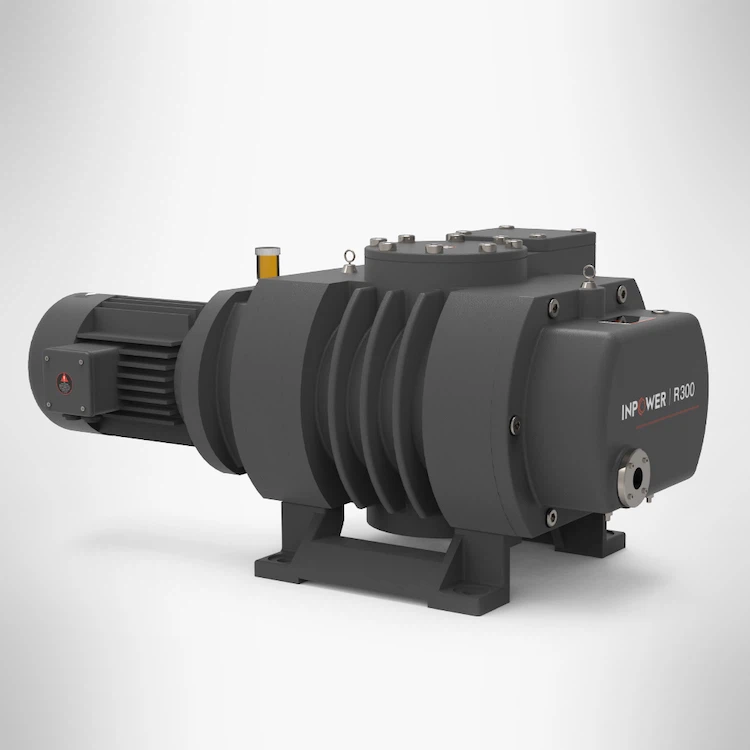
In chemical processing, the starting time of the auxiliary vacuum pump can impact the efficiency of processes such as distillation and degassing. A fast - starting pump can reduce the processing time and improve the yield of the chemical products. Air Cooled Roots Vacuum Pump is often used in chemical processing due to its high pumping speed and relatively short starting time.
Conclusion
The starting time of an auxiliary vacuum pump is a critical parameter that can significantly impact the performance of a vacuum system. By understanding the factors that affect the starting time and implementing appropriate optimization strategies, you can ensure the efficient and reliable operation of your vacuum system.
As a trusted supplier of Auxiliary Vacuum Pumps, we offer a wide range of pumps to meet the diverse needs of different industries. Our pumps are designed to provide high performance, reliability, and a short starting time. If you are looking for an auxiliary vacuum pump for your application, we invite you to contact us for more information and to discuss your specific requirements. Our team of experts is ready to assist you in selecting the right pump and optimizing your vacuum system.
References
- "Vacuum Technology Handbook"
- Industry standards and guidelines for vacuum system design and operation.


