


In the intricate world of vacuum systems, the auxiliary vacuum pump plays a pivotal role that often goes unnoticed by the casual observer. As a trusted supplier of auxiliary vacuum pumps, I've witnessed firsthand how these devices are the unsung heroes, enabling the smooth and efficient operation of various vacuum applications. In this blog, I'll delve into the multifaceted role of an auxiliary vacuum pump in a vacuum system, exploring its functions, benefits, and the different types available.
Understanding the Basics of a Vacuum System
Before we dive into the role of an auxiliary vacuum pump, it's essential to understand the fundamentals of a vacuum system. A vacuum system is designed to create and maintain a low-pressure environment by removing gas molecules from a sealed chamber. This process is crucial in a wide range of industries, including semiconductor manufacturing, food packaging, and scientific research.
The primary components of a vacuum system typically include a primary pump, which is responsible for the initial evacuation of the chamber, and a secondary pump, which can further reduce the pressure to achieve a higher level of vacuum. In many cases, an auxiliary vacuum pump is also employed to support the primary and secondary pumps, enhancing the overall performance and efficiency of the system.
The Role of an Auxiliary Vacuum Pump
1. Initial Evacuation
One of the primary roles of an auxiliary vacuum pump is to assist the primary pump in the initial evacuation of the vacuum chamber. In some applications, the primary pump may not be capable of handling large volumes of gas or achieving the desired initial pressure quickly enough. An auxiliary vacuum pump can be used to pre - evacuate the chamber, reducing the workload on the primary pump and allowing it to reach the operating pressure more efficiently.
For example, in a large - scale industrial vacuum furnace, the auxiliary vacuum pump can rapidly remove the majority of the gas from the chamber before the primary pump takes over. This not only speeds up the evacuation process but also extends the lifespan of the primary pump by reducing its exposure to high - pressure conditions.
2. Backing Pump Function
In many vacuum systems, the auxiliary vacuum pump serves as a backing pump for the main high - vacuum pump. High - vacuum pumps, such as diffusion pumps or turbomolecular pumps, require a relatively low - pressure environment at their exhaust to operate effectively. The auxiliary vacuum pump creates this low - pressure environment by continuously removing the gas discharged from the high - vacuum pump.
This backing function is crucial because it prevents the high - vacuum pump from being overloaded with gas and ensures that it can maintain a stable and efficient operation. Without a reliable auxiliary vacuum pump as a backing pump, the performance of the high - vacuum pump would be severely compromised, and the overall vacuum level of the system could not be maintained.
3. Pressure Control
An auxiliary vacuum pump can also be used for precise pressure control within the vacuum system. By adjusting the pumping speed of the auxiliary pump, the pressure in the chamber can be finely tuned to meet the specific requirements of the application. This is particularly important in applications where a stable and accurate pressure is critical, such as in thin - film deposition processes in the semiconductor industry.
In a thin - film deposition system, a slight variation in pressure can affect the quality and uniformity of the deposited film. The auxiliary vacuum pump can be used to maintain the optimal pressure within a narrow range, ensuring consistent and high - quality film deposition.
4. System Protection
Another important role of the auxiliary vacuum pump is to protect the vacuum system from contaminants and moisture. The auxiliary pump can be equipped with filters and traps to remove particles, oil vapor, and water vapor from the gas being pumped. This helps to prevent these contaminants from entering the main vacuum chamber and damaging the sensitive components of the system.
For instance, in a mass spectrometry system, any contamination in the vacuum chamber can interfere with the accuracy of the measurements. The auxiliary vacuum pump with proper filtration and trapping mechanisms can ensure a clean and stable vacuum environment, safeguarding the integrity of the analytical results.
Types of Auxiliary Vacuum Pumps
There are several types of auxiliary vacuum pumps available, each with its own unique characteristics and applications.
Air Cooled Roots Vacuum Pump
The Air Cooled Roots Vacuum Pump is a popular choice for many vacuum systems. It operates on the principle of positive displacement, using two meshing rotors to transfer gas from the inlet to the outlet. These pumps are known for their high pumping speed, low power consumption, and compact design. They are often used in applications where rapid evacuation and high - throughput are required, such as in the chemical and pharmaceutical industries.
Multi Stage Roots Pump
The Multi Stage Roots Pump is an advanced version of the Roots pump. It consists of multiple stages of pumping elements, which allows it to achieve a higher compression ratio and a lower ultimate pressure compared to single - stage pumps. Multi - stage Roots pumps are suitable for applications that demand a high level of vacuum, such as in semiconductor manufacturing and space simulation chambers.

Vacuum Assist Pump
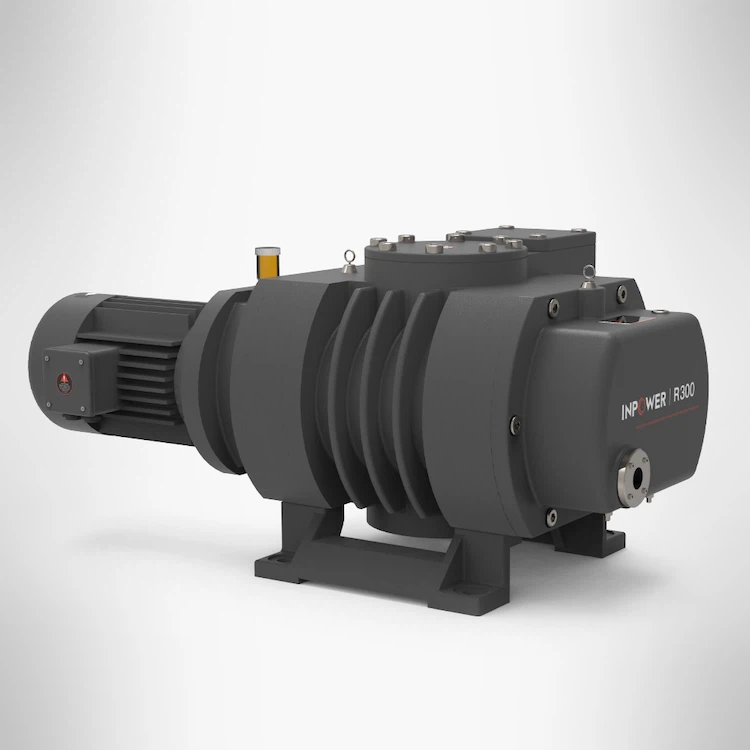
The Vacuum Assist Pump is a versatile type of auxiliary pump that can be used in a variety of vacuum systems. It can be designed to work in conjunction with different types of primary and high - vacuum pumps, providing additional pumping capacity and improving the overall performance of the system. Vacuum assist pumps are commonly used in food packaging, vacuum drying, and vacuum distillation processes.
Benefits of Using an Auxiliary Vacuum Pump
1. Improved Efficiency
By sharing the workload with the primary and high - vacuum pumps, the auxiliary vacuum pump can significantly improve the overall efficiency of the vacuum system. It allows the system to reach the desired vacuum level more quickly and maintain it with less energy consumption.
2. Extended Equipment Lifespan
As mentioned earlier, the auxiliary vacuum pump helps to reduce the stress on the primary and high - vacuum pumps. By pre - evacuating the chamber and providing a stable backing pressure, it extends the lifespan of these pumps, reducing maintenance costs and downtime.
3. Enhanced System Performance
The precise pressure control and contamination prevention capabilities of the auxiliary vacuum pump contribute to the enhanced performance of the entire vacuum system. This results in higher - quality products and more accurate experimental results in various applications.
Contact Us for Your Auxiliary Vacuum Pump Needs
If you're in the market for a reliable auxiliary vacuum pump for your vacuum system, look no further. As a leading supplier of auxiliary vacuum pumps, we offer a wide range of products, including Air Cooled Roots Vacuum Pump, Multi Stage Roots Pump, and Vacuum Assist Pump. Our team of experts can help you select the right pump for your specific application and provide comprehensive after - sales support.
Don't hesitate to contact us to discuss your requirements and start a procurement negotiation. We're committed to providing you with the best solutions for your vacuum system needs.
References
- "Vacuum Technology Handbook", Edited by R. M. Getzinger
- "Fundamentals of Vacuum Physics", By A. Roth
- "Vacuum Pumps and Vacuum Systems: Theory, Design, and Application", By H. O. R. Siegenthaler


