


What are the grounding requirements for a medical gas vacuum pump?
As a trusted supplier of Medical Gas Vacuum Pumps, I understand the critical importance of proper grounding for these essential pieces of equipment. In the medical field, where patient safety is paramount, the correct installation and grounding of medical gas vacuum pumps are non - negotiable. This blog will delve into the grounding requirements for medical gas vacuum pumps, exploring why they are necessary and how to ensure compliance.
Why Grounding is Essential for Medical Gas Vacuum Pumps
Grounding serves multiple crucial functions when it comes to medical gas vacuum pumps. Firstly, it provides a path of least resistance for electrical current in the event of a fault. Medical gas vacuum pumps are electrical devices, and like all electrical equipment, they are susceptible to short - circuits or other electrical malfunctions. Without proper grounding, these faults can lead to electrical shock hazards for medical staff, patients, and other individuals in the vicinity.
Secondly, grounding helps to protect the equipment itself. Electrical surges, whether from lightning strikes, power grid fluctuations, or other sources, can cause significant damage to the sensitive electronic components of a medical gas vacuum pump. A well - grounded system diverts the excess electrical energy safely to the ground, reducing the risk of equipment failure and costly repairs or replacements.
Finally, proper grounding can improve the overall performance and reliability of the medical gas vacuum pump. It helps to reduce electromagnetic interference (EMI) and radio - frequency interference (RFI). These interferences can disrupt the normal operation of the pump, affect the accuracy of associated monitoring and control systems, and even cause false alarms.
Grounding Requirements for Medical Gas Vacuum Pumps
Electrical Code Compliance
Medical gas vacuum pumps must comply with local and national electrical codes. In the United States, the National Electrical Code (NEC) provides detailed guidelines for grounding electrical equipment. These codes specify the minimum requirements for grounding conductors, grounding electrodes, and the connection between the equipment and the grounding system.
For example, the NEC requires that all electrical equipment, including medical gas vacuum pumps, be connected to an effective ground - fault current - path. This path must be capable of safely carrying the maximum ground - fault current likely to be imposed on it without exceeding its ampacity. Additionally, the grounding conductor must be of sufficient size to ensure that the over - current protective device (such as a circuit breaker or fuse) will operate in a timely manner to clear the fault.
Grounding Conductor Selection
The grounding conductor for a medical gas vacuum pump should be made of a suitable material, typically copper or aluminum. Copper is often preferred due to its high conductivity and corrosion resistance. The size of the grounding conductor is determined by the ampacity of the circuit supplying the pump. Larger pumps with higher power requirements will generally require larger grounding conductors.
The grounding conductor should be continuous from the pump to the grounding electrode system. It should be securely connected at both ends, using appropriate connectors such as compression fittings or exothermic welds. Any splices in the grounding conductor must be made in accordance with the electrical code requirements to ensure a reliable electrical connection.
Grounding Electrode System
A proper grounding electrode system is essential for effective grounding of a medical gas vacuum pump. The grounding electrode system provides a connection to the earth, which serves as the ultimate sink for electrical energy. Common types of grounding electrodes include ground rods, ground plates, and concrete - encased electrodes.
Ground rods are typically made of copper - clad steel or solid copper and are driven into the ground to a depth of at least 8 feet. Multiple ground rods may be required, depending on the soil resistivity. The ground rods should be spaced at least 6 feet apart and connected together using a grounding conductor.
Ground plates are flat metal plates, usually made of copper or galvanized steel, that are buried in the ground. They provide a large surface area for contact with the soil, which helps to reduce the resistance of the grounding system.
Concrete - encased electrodes are steel reinforcing bars or bare copper conductors that are embedded in the concrete foundation of a building. They are an effective and reliable grounding option, especially in areas with high soil resistivity.
Bonding
In addition to grounding, bonding is also an important aspect of the electrical safety of a medical gas vacuum pump. Bonding involves connecting all metal parts of the pump, including the enclosure, piping, and any associated equipment, together to ensure electrical continuity. This helps to prevent the buildup of static electricity and reduces the risk of electrical shock.

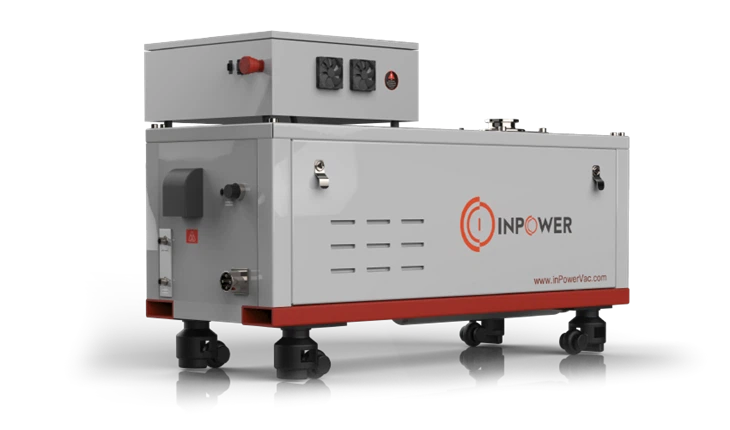
All metal parts of the medical gas vacuum pump should be bonded to the grounding conductor. This can be achieved using bonding jumpers, which are short lengths of conductor that are connected between the metal parts. The bonding jumpers should be of sufficient size and securely connected to ensure a low - resistance electrical connection.
Installation and Maintenance of the Grounding System
Installation
The installation of the grounding system for a medical gas vacuum pump should be carried out by a qualified electrician. The electrician should follow the manufacturer's instructions and the relevant electrical codes. Before installing the pump, the electrician should inspect the grounding electrode system to ensure that it is in good condition and meets the requirements.
During the installation, the grounding conductor should be carefully routed and secured to prevent damage. It should be protected from physical damage, moisture, and chemicals. The connections between the grounding conductor, the pump, and the grounding electrode system should be tightened to the appropriate torque to ensure a reliable electrical connection.
Maintenance
Regular maintenance of the grounding system is essential to ensure its continued effectiveness. The grounding system should be inspected periodically for signs of damage, corrosion, or loose connections. Any damaged or corroded components should be replaced immediately.
The resistance of the grounding system should also be measured regularly using a grounding resistance tester. The measured resistance should be within the acceptable range specified by the electrical code. If the resistance is too high, it may indicate a problem with the grounding electrode system or the connections, and corrective action should be taken.
Related Applications and Our Product Range
Our company offers a wide range of medical gas vacuum pumps that are designed to meet the highest standards of safety and performance. In addition to medical applications, our pumps can also be used in other industries. For example, our Pharmaceutical Vacuum Pump is specifically designed for the pharmaceutical industry, where strict hygiene and safety requirements are essential.
We also have pumps suitable for Chemical Plant Vacuum applications. These pumps are built to withstand the harsh chemical environments found in chemical plants and provide reliable vacuum performance.
Our Dry Pump is another popular product. It offers several advantages, such as low maintenance requirements, high reliability, and clean operation.
Conclusion
Proper grounding of a medical gas vacuum pump is essential for the safety of patients, medical staff, and the reliable operation of the equipment. By understanding and complying with the grounding requirements, including electrical code compliance, proper selection of grounding conductors and electrodes, and regular maintenance, you can ensure that your medical gas vacuum pump operates safely and effectively.
If you are in the market for a medical gas vacuum pump or have any questions about grounding requirements, we encourage you to contact us for a detailed discussion. Our team of experts is ready to assist you in selecting the right pump for your needs and ensuring that it is installed and grounded correctly.
References
- National Electrical Code (NEC), National Fire Protection Association (NFPA)
- Manufacturer's installation and operation manuals for medical gas vacuum pumps


