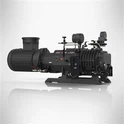
Hey there! As a supplier of Turbo Vacuum Pumps, I've seen my fair share of issues that customers run into. In this blog, I'm gonna break down some of the common problems with turbo vacuum pumps and share how to solve them.
1. Overheating
One of the most frequent problems we hear about is overheating. Turbo vacuum pumps generate a lot of heat during operation, and if this heat isn't managed properly, it can lead to some serious issues.
Causes:
- Lack of cooling: If the cooling system isn't working effectively, the heat can build up. This could be due to a clogged coolant line or a malfunctioning cooling fan.
- High - load operation: Running the pump at a high load for an extended period can also cause overheating. For example, if you're using the Turbo Pump System in a process that requires continuous high - speed operation.
Solutions:
- Check the cooling system: First, make sure the coolant lines are clear. You can flush them if there's any blockage. Also, check the cooling fan to ensure it's running at the right speed. If it's not, you might need to replace it.
- Adjust the load: Try to reduce the load on the pump. You can do this by optimizing the process it's used in. For instance, if possible, run the pump in cycles rather than continuously at high speed.
2. Vibration
Vibration is another common headache. Excessive vibration can not only damage the pump itself but also affect the performance of the entire system.
Causes:
- Imbalanced rotor: Over time, the rotor in the turbo vacuum pump can become imbalanced. This could be due to wear and tear or the accumulation of debris.
- Loose mounting: If the pump isn't properly mounted, it can start to vibrate. This might happen if the bolts holding the pump in place have come loose.
Solutions:
- Rotor balancing: You'll need to have the rotor balanced by a professional. They'll use special equipment to measure the imbalance and adjust the rotor accordingly.
- Tighten the mounting: Check all the bolts and make sure they're tightened to the correct torque. You can use a torque wrench to ensure accuracy.
3. Low Vacuum Performance
If you're not getting the desired vacuum level, it can be a real pain, especially in applications where a high - quality vacuum is crucial.
Causes:
- Leakage: There could be leaks in the vacuum system. This might be due to damaged seals or loose connections.
- Contamination: The pump can get contaminated with particles or gases, which can reduce its efficiency.
Solutions:
- Detect and fix leaks: Use a leak detector to find any leaks in the system. Once you've located them, replace the damaged seals or tighten the connections.
- Clean the pump: You can use a suitable cleaning agent to remove any contaminants from the pump. Make sure to follow the manufacturer's instructions when cleaning.
4. Noise
Unusual noise coming from the turbo vacuum pump is a sign that something's not right.


Causes:
- Worn - out bearings: Bearings can wear out over time, especially if the pump has been in use for a long time. This can cause a grinding or squealing noise.
- Internal damage: There could be damage to the internal components of the pump, such as the impeller or the housing.
Solutions:
- Replace the bearings: If the bearings are worn out, you'll need to replace them. Make sure to use high - quality bearings that are compatible with your pump.
- Inspect and repair internal components: Take the pump apart and inspect the internal components. If you find any damage, you can either repair or replace the affected parts.
5. Oil Contamination
In some turbo vacuum pumps that use oil, oil contamination can be a significant problem.
Causes:
- Inlet gas contamination: If the gas entering the pump contains contaminants, it can mix with the oil.
- Oxidation: Over time, the oil can oxidize, especially if it's exposed to high temperatures for long periods.
Solutions:
- Install a gas filter: This can help prevent contaminants from entering the pump and mixing with the oil.
- Change the oil regularly: Follow the manufacturer's recommendations for oil change intervals. This will ensure that the oil remains clean and effective.
6. Electrical Issues
Electrical problems can also occur, which can prevent the pump from working properly.
Causes:
- Faulty wiring: The wiring in the pump or the control panel can become damaged or loose.
- Motor problems: The motor might have issues, such as a burned - out coil or a malfunctioning capacitor.
Solutions:
- Check the wiring: Inspect all the wiring for any signs of damage or loose connections. If you find any, repair or replace the wiring as needed.
- Test and repair the motor: Use a multimeter to test the motor's electrical components. If you find a problem, you might need to replace the damaged parts or the entire motor.
Conclusion
So, there you have it - some of the most common problems with turbo vacuum pumps and how to solve them. As a Turbo Vacuum Pump supplier, I know how important it is to keep your pumps running smoothly. If you're looking for a high - quality Low Pressure Vacuum 10 ^ -7 Mbar Turbo or any other turbo vacuum pump, we've got you covered.
If you're facing any of these problems or if you're interested in purchasing a new turbo vacuum pump, don't hesitate to get in touch. We're here to help you find the best solution for your needs. Whether you need technical support, a replacement part, or a brand - new pump, we're just a message away. Let's talk and see how we can work together to keep your operations running at their best.
References
- Manufacturer's manuals for turbo vacuum pumps
- Industry - specific technical guides on vacuum pump maintenance and troubleshooting