


Hey there! As a supplier of Chemical Plant Vacuum systems, I've seen my fair share of issues with these setups. Troubleshooting a chemical plant vacuum system can be a real headache, but with the right approach, you can get things back up and running in no time. In this blog, I'll share some tips and tricks on how to troubleshoot these systems effectively.
Understanding the Basics
First things first, let's talk about what a chemical plant vacuum system is and how it works. Simply put, a vacuum system is used to create and maintain a low-pressure environment within a chemical process. This is crucial for various operations, such as distillation, drying, and filtration.

The main components of a typical chemical plant vacuum system include a vacuum pump, piping, valves, and various sensors. The vacuum pump is the heart of the system, responsible for removing air and other gases from the process vessel to create the desired vacuum level. The piping and valves are used to connect the different components and control the flow of gases, while the sensors monitor the pressure, temperature, and other parameters.
Common Issues and Their Solutions
Low Vacuum Level
One of the most common problems you might encounter is a low vacuum level. This can be caused by several factors, such as leaks in the system, a malfunctioning vacuum pump, or clogged filters.
- Check for Leaks: The first step is to check for leaks in the piping, valves, and connections. You can use a leak detector or simply apply a soapy solution to the suspected areas. If you see bubbles forming, it's a sign of a leak. Once you've identified the leak, you can repair or replace the damaged component.
- Inspect the Vacuum Pump: A malfunctioning vacuum pump can also lead to a low vacuum level. Check the pump for any signs of damage, such as worn-out seals or bearings. Make sure the pump is properly lubricated and that the motor is running smoothly. If you're having trouble with the pump, you might want to consider replacing it with a new Industrial Vacuum Pump.
- Clean or Replace Filters: Clogged filters can restrict the flow of gases and reduce the efficiency of the vacuum system. Check the filters regularly and clean or replace them as needed.
High Temperature
Another issue you might face is high temperature within the vacuum system. This can be caused by excessive friction, poor cooling, or a build-up of heat-generating gases.

- Check the Cooling System: Make sure the cooling system is working properly. Check the coolant levels, the pumps, and the heat exchangers. If the coolant is low, refill it. If there are any issues with the pumps or heat exchangers, repair or replace them.
- Reduce Friction: Excessive friction can generate heat. Check the moving parts of the vacuum pump and other components for any signs of wear or damage. Lubricate the parts as needed and make sure they are properly aligned.
- Vent Heat-Generating Gases: Some chemical processes produce heat-generating gases. Make sure these gases are properly vented from the system to prevent a build-up of heat.
Excessive Noise
Excessive noise can be a sign of a problem within the vacuum system. It can be caused by loose parts, misaligned components, or a malfunctioning pump.
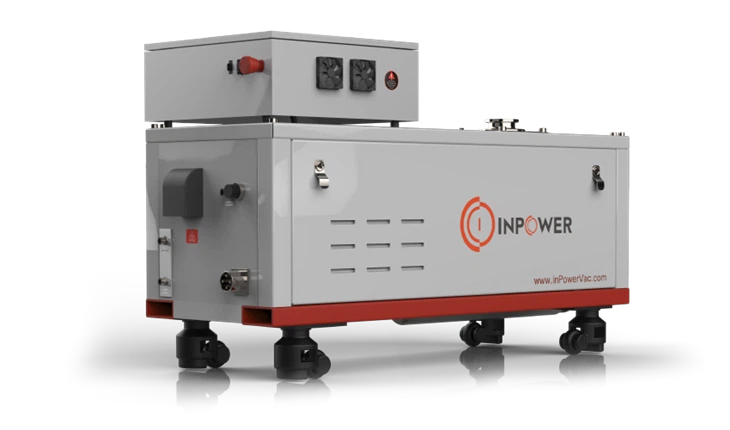
- Tighten Loose Parts: Check all the bolts, nuts, and connections in the system. Tighten any loose parts to reduce vibration and noise.
- Align Components: Make sure all the components are properly aligned. Misaligned parts can cause excessive noise and wear.
- Inspect the Pump: A malfunctioning pump can also be a source of noise. Check the pump for any signs of damage or wear. If necessary, repair or replace the pump.
Regular Maintenance
Regular maintenance is key to keeping your chemical plant vacuum system in good working condition. Here are some maintenance tasks you should perform regularly:
- Inspect the System: Conduct regular visual inspections of the system to check for any signs of damage, leaks, or wear.
- Clean the Components: Clean the vacuum pump, filters, and other components regularly to remove any dirt, debris, or chemical residues.
- Lubricate Moving Parts: Lubricate the moving parts of the vacuum pump and other components as recommended by the manufacturer.
- Test the System: Periodically test the vacuum system to ensure it is operating at the desired vacuum level and performance.
When to Call in the Experts
Sometimes, troubleshooting a chemical plant vacuum system can be beyond your capabilities. If you've tried all the above steps and are still having problems, it might be time to call in the experts. Professional technicians have the knowledge, experience, and tools to diagnose and repair complex issues with your vacuum system.
Conclusion
Troubleshooting a chemical plant vacuum system can be a challenging task, but with the right approach and regular maintenance, you can keep your system running smoothly. Remember to check for leaks, inspect the vacuum pump, clean the filters, and perform regular maintenance tasks. If you're still having problems, don't hesitate to call in the experts.
If you're in the market for a new vacuum pump or need help with your existing system, we're here to assist you. We offer a wide range of high-quality Industrial Vacuum Pump, Pharmaceutical Vacuum Pump, and Dry Type Vacuum Pump. Contact us today to discuss your needs and let's work together to find the best solution for your chemical plant.

References
- Chemical Engineering Handbook
- Vacuum Technology Handbook
- Manufacturer's manuals for vacuum pumps and related components


