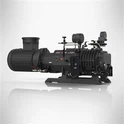
Hey there! As a supplier of Turbo Vacuum Pump, I've seen my fair share of challenges when it comes to transporting these delicate machines safely. Turbo vacuum pumps are high - tech equipment that require special care during transportation to ensure they arrive at their destination in perfect working condition. In this blog, I'll share some tips and tricks on how to transport a turbo vacuum pump safely.
Pre - Transport Preparation
Before you even think about moving the turbo vacuum pump, you need to do some thorough preparation. First off, you've got to clean the pump. Any dirt, debris, or residual substances inside or outside the pump can cause problems during transit. A clean pump is less likely to experience internal damage due to shifting materials.

Next, make sure to drain all the fluids from the pump. This includes any lubricants, coolants, or other liquids. Fluids can leak during transportation, which not only makes a mess but can also damage the pump and other items in the shipping container.
Inspect the pump for any existing damage. Look for cracks, loose parts, or signs of wear and tear. Document any issues you find with photos and notes. This way, if there's any additional damage during transit, you can clearly distinguish between pre - existing and new problems.
Securing the Pump
Once the pump is prepped, it's time to secure it properly. You can't just throw it in a box and hope for the best. Use high - quality packing materials like foam inserts, bubble wrap, and packing peanuts. These materials will absorb shocks and vibrations during transportation.
Place the pump in a custom - made crate if possible. A custom crate is designed to fit the pump precisely, providing maximum protection. If a custom crate isn't an option, make sure the box you use is large enough to accommodate the pump and the packing materials.
Inside the crate or box, use straps or brackets to hold the pump in place. This prevents it from moving around during transit. You don't want the pump to bang against the sides of the container, as that can cause serious damage.
Choosing the Right Shipping Method
When it comes to shipping a turbo vacuum pump, you've got a few options. The choice depends on factors like the size and weight of the pump, the distance it needs to travel, and your budget.
For local or short - distance deliveries, you might consider using a local courier service. They can offer more personalized service and quicker delivery times. Just make sure they have experience handling fragile and heavy equipment.
For longer distances, especially international shipments, air freight or sea freight are common choices. Air freight is faster but more expensive. It's a good option if you need the pump to arrive quickly. Sea freight, on the other hand, is more cost - effective for large and heavy pumps. However, it takes longer, and you need to be aware of potential delays due to weather or port congestion.
Labeling and Documentation
Proper labeling is crucial when transporting a turbo vacuum pump. Label the crate or box as "Fragile," "Handle with Care," and "This Side Up." These labels will alert the handlers to the delicate nature of the contents and how to handle the package correctly.
Include detailed documentation with the pump. This should include an invoice, a packing list, and any technical specifications. If the pump is being shipped internationally, you'll also need to provide customs documentation. Make sure all the information is accurate and up - to - date to avoid any delays at customs.
Monitoring the Shipment
Once the pump is on its way, it's a good idea to monitor the shipment. Most shipping companies offer tracking services. You can use these to keep an eye on the location and status of the package.
If possible, install a shock and vibration monitor on the crate. These devices can record any excessive shocks or vibrations during transit. When the pump arrives, you can check the data from the monitor to see if it was subjected to any potentially damaging events.
Post - Transport Inspection
When the pump arrives at its destination, don't just start using it right away. Conduct a thorough post - transport inspection. Check for any visible damage, such as dents, scratches, or broken parts. Re - inspect the pump for any signs of internal damage, like leaks or unusual noises when you power it up.
If you find any damage, contact the shipping company immediately. Provide them with the documentation you took before shipping and any new evidence of damage. They'll guide you through the claims process.
Special Considerations for Low Pressure Vacuum 10 ^ -7 Mbar Turbo
If you're transporting a Low Pressure Vacuum 10 ^ -7 Mbar Turbo pump, there are some additional considerations. These pumps are designed to operate at extremely low pressures, and any damage during transportation can affect their performance.
Make sure the packing materials are clean and free of any contaminants that could enter the pump and affect its vacuum performance. During the post - transport inspection, pay special attention to the seals and gaskets. Any damage to these components can lead to leaks and a loss of vacuum.
Conclusion
Transporting a turbo vacuum pump safely requires careful planning, proper packing, and attention to detail. By following these steps, you can minimize the risk of damage during transit and ensure that your pump arrives at its destination ready to use.
If you're in the market for a Turbo Vacuum Pump, we're here to help. We offer high - quality turbo vacuum pumps and can provide guidance on transportation and installation. If you have any questions or want to discuss your specific needs, feel free to reach out. We're always happy to have a chat and help you find the right solution for your business.
References
- Industry standards for turbo vacuum pump transportation
- Manufacturer's guidelines for turbo vacuum pump handling and shipping