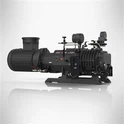
Hey there! As a supplier of High Flow Vacuum Pumps, I've seen firsthand how humidity can mess with these machines. Humidity might seem like a small thing, but it can cause some major headaches for your high flow vacuum pump. In this blog, I'm gonna share some tips on how to protect your pump from humidity.
First off, let's understand why humidity is such a big deal. When there's a lot of moisture in the air, it can get into the pump. This moisture can cause corrosion on the metal parts of the pump. Corrosion weakens the parts, which can lead to leaks and even complete pump failure. Also, moisture can mix with the lubricating oil in the pump. When this happens, the oil loses its ability to lubricate properly, and the pump has to work harder. This not only shortens the lifespan of the pump but also increases energy consumption.
One of the simplest ways to protect your high - flow vacuum pump from humidity is to control the environment where it's located. Try to keep the pump in a dry area. If possible, use a dehumidifier in the room. Dehumidifiers work by removing moisture from the air. You can set the dehumidifier to maintain a certain humidity level, usually around 30 - 50%. This range is ideal for most high - flow vacuum pumps as it keeps the air dry enough to prevent moisture from causing problems.
Another important thing is proper ventilation. Make sure the area where the pump is installed has good air circulation. Stagnant air can trap moisture, so having fans or vents to move the air around is crucial. You can install exhaust fans near the pump to draw out the moist air. Also, intake vents should be placed in areas where the air is drier.
Now, let's talk about the design and installation of the pump itself. When installing the pump, make sure it's elevated off the ground. This helps prevent water from splashing onto the pump in case of spills or leaks. You can use a platform or a stand to raise the pump. Also, ensure that all the connections and seals on the pump are tight. Loose connections can allow moisture to seep into the pump. Regularly check these connections and replace any worn - out seals.
Using a moisture - resistant coating on the pump's exterior can also be a great idea. There are special coatings available in the market that can protect the metal parts of the pump from corrosion caused by humidity. These coatings create a barrier between the metal and the moist air. Just make sure to follow the manufacturer's instructions when applying the coating.
For the internal parts of the pump, using high - quality lubricating oil is essential. Some oils are specifically designed to resist moisture. They have additives that prevent water from emulsifying with the oil. Regularly check the oil level and quality in the pump. If you notice that the oil has become cloudy or has a milky appearance, it might be contaminated with water. In this case, you should change the oil immediately.
Now, let's introduce some related products that are also important in dealing with vacuum systems. If you're looking for other types of vacuum - related equipment, you might be interested in Side Channel Blower. Side channel blowers are known for their high - pressure capabilities and can be used in various applications along with high - flow vacuum pumps.
Central Vacuum Pumps are another option. These pumps are great for larger industrial setups where multiple vacuum points need to be serviced. They can handle high - volume air flow and are designed to be more efficient in a central system.


And if you're looking for an advanced option, Intelligent Single Stage Oil - sealed Screw Vacuum Pumps are worth considering. These pumps come with intelligent features that can optimize their performance and are also more resistant to humidity compared to some traditional pumps.
Regular maintenance is key to protecting your high - flow vacuum pump from humidity. Schedule routine inspections of the pump. Check for any signs of corrosion, leaks, or moisture buildup. Clean the pump regularly to remove any dust or debris that might trap moisture. You can use a soft brush or compressed air to clean the pump.
If you're experiencing a lot of humidity in your area, you might want to consider investing in a moisture - monitoring system. These systems can continuously measure the humidity level inside the pump or in the surrounding area. They can send alerts if the humidity level goes above a certain threshold, allowing you to take action before any damage occurs.
In conclusion, protecting your high - flow vacuum pump from humidity requires a combination of environmental control, proper installation, and regular maintenance. By following these tips, you can ensure that your pump runs smoothly and has a longer lifespan.
If you're in the market for a high - flow vacuum pump or need more advice on protecting your existing pump from humidity, don't hesitate to reach out. We're here to help you make the best choices for your vacuum - pumping needs. Whether you're a small business or a large industrial operation, we have the products and expertise to meet your requirements.
References
- "Vacuum Pump Handbook" - A comprehensive guide on vacuum pump operation and maintenance.
- Industry reports on high - flow vacuum pump performance in humid environments.