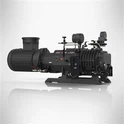
As a seasoned supplier of Roots vacuum pumps, I've witnessed firsthand the pivotal role these machines play in various industrial processes. The efficiency of a Roots vacuum pump is not just a technical metric; it's a cornerstone of operational success, impacting productivity, cost - effectiveness, and overall performance. In this blog, I'll share some practical strategies on how to improve the efficiency of a Roots vacuum pump.
Understanding the Basics of Roots Vacuum Pumps
Before delving into efficiency - improvement strategies, it's essential to understand the fundamental working principle of Roots vacuum pumps. A Roots vacuum pump consists of two rotors that rotate in opposite directions within a housing. These rotors, which are typically in a figure - eight shape, trap and transfer gas from the inlet to the outlet. The efficiency of this process is influenced by several factors, including the design of the rotors, the quality of the sealing, and the operating conditions.
Optimize the Pump Design
One of the most effective ways to enhance the efficiency of a Roots vacuum pump is through design optimization. The shape and size of the rotors play a crucial role in determining the pumping speed and efficiency. Modern rotor designs are engineered to minimize internal leakage and maximize gas transfer. For instance, advanced manufacturing techniques can create rotors with smoother surfaces and more precise clearances, reducing friction and improving the overall performance of the pump.
Another aspect of design optimization is the choice of materials. High - quality materials with excellent mechanical properties can withstand the rigors of continuous operation, reducing wear and tear and extending the pump's lifespan. Additionally, proper material selection can enhance the pump's resistance to corrosion and chemical attack, which is particularly important in applications where the pumped gas contains aggressive substances.
Maintain Proper Sealing
Sealing is a critical factor in the efficiency of a Roots vacuum pump. Any leakage in the pump can lead to a significant decrease in performance, as it allows gas to bypass the normal pumping path. Regular inspection and maintenance of the seals are essential to ensure their integrity.
There are several types of seals used in Roots vacuum pumps, including mechanical seals and O - rings. Mechanical seals, which consist of two flat surfaces in contact with each other, are designed to prevent leakage along the shaft. O - rings, on the other hand, are used to seal joints and connections. Over time, these seals can wear out or become damaged, so it's important to replace them as soon as signs of leakage are detected.
Control Operating Conditions
The operating conditions of a Roots vacuum pump can have a profound impact on its efficiency. Temperature, pressure, and gas composition are among the key factors that need to be carefully controlled.
Temperature: Roots vacuum pumps generate heat during operation, and excessive heat can reduce the pump's efficiency and cause damage to its components. Proper cooling is essential to maintain an optimal operating temperature. Air Cooled Roots Vacuum Pump are a popular choice in many applications, as they use air to dissipate heat, offering a simple and cost - effective cooling solution.
Pressure: The inlet and outlet pressures of the pump need to be within the recommended range. Operating the pump at pressures outside of this range can lead to increased power consumption and reduced pumping efficiency. Regular monitoring of the pressure using pressure gauges is necessary to ensure that the pump is operating under optimal conditions.
Gas Composition: The type of gas being pumped can also affect the pump's efficiency. Some gases may be more difficult to pump than others, and certain gases can react with the pump's materials, causing corrosion or other damage. It's important to select a pump that is suitable for the specific gas composition of the application. In some cases, additional filtration or purification steps may be required to remove contaminants from the gas before it enters the pump.


Use a Vacuum Assist Pump
In some applications, using a Vacuum Assist Pump can significantly improve the efficiency of a Roots vacuum pump. A vacuum assist pump, also known as a backing pump, is used to create a pre - vacuum before the Roots vacuum pump takes over. This reduces the load on the Roots vacuum pump, allowing it to operate more efficiently and reach higher vacuum levels.
The combination of a Roots vacuum pump and a vacuum assist pump is particularly effective in applications where a high vacuum is required. The vacuum assist pump can quickly reduce the pressure to a certain level, and then the Roots vacuum pump can further lower the pressure to the desired vacuum level. This staged approach not only improves the efficiency of the pumping process but also extends the lifespan of the Roots vacuum pump.
Select the Right Size Pump
Choosing the right size of Roots vacuum pump for the application is crucial for achieving optimal efficiency. An undersized pump may not be able to achieve the required vacuum level or pumping speed, while an oversized pump can consume more energy than necessary.
When selecting a pump, it's important to consider the specific requirements of the application, such as the volume of gas to be pumped, the desired vacuum level, and the operating conditions. Big Pumping Roots Vacuum Pump are available for applications that require high - volume gas transfer. However, it's important to ensure that the pump is not too large for the application, as this can lead to unnecessary energy consumption.
Regular Maintenance and Inspection
Regular maintenance and inspection are essential for keeping a Roots vacuum pump operating at peak efficiency. This includes tasks such as lubrication, cleaning, and component replacement.
Lubrication is necessary to reduce friction between moving parts and prevent wear. The type of lubricant used should be compatible with the pump's materials and the gas being pumped. Cleaning the pump regularly can remove dirt, debris, and other contaminants that can accumulate over time and affect the pump's performance.
In addition to routine maintenance, regular inspections should be carried out to detect any potential problems early. This can involve checking for signs of leakage, wear, or damage to the pump's components. By addressing these issues promptly, you can prevent more serious problems from occurring and ensure the long - term efficiency of the pump.
Conclusion
Improving the efficiency of a Roots vacuum pump requires a comprehensive approach that encompasses design optimization, proper sealing, control of operating conditions, the use of vacuum assist pumps, correct pump sizing, and regular maintenance. By implementing these strategies, you can enhance the performance of your Roots vacuum pump, reduce energy consumption, and extend its lifespan.
If you're interested in learning more about how to improve the efficiency of your Roots vacuum pump or are considering purchasing a new pump, I encourage you to reach out to us for a detailed consultation. We have a team of experts who can provide you with personalized advice and solutions based on your specific needs.
References
- "Roots Vacuum Pumps: Principles, Design, and Applications" - Industrial Vacuum Technology Handbook
- "Optimization of Vacuum Pumping Systems for Enhanced Efficiency" - Journal of Vacuum Science and Technology
- "Maintenance Guidelines for Roots Vacuum Pumps" - Manufacturer's Technical Manuals