As a supplier of Vacuum Assist Pumps, I've witnessed firsthand the importance of extending the service life of these crucial devices. A Vacuum Assist Pump is an essential component in various industries, including manufacturing, pharmaceuticals, and food processing, where it plays a vital role in maintaining the required vacuum levels for efficient operations. In this blog post, I'll share some practical tips based on my experience to help you maximize the lifespan of your Vacuum Assist Pump.
Regular Maintenance and Inspections
One of the most effective ways to extend the service life of a Vacuum Assist Pump is through regular maintenance and inspections. Just like any other mechanical equipment, a vacuum pump requires routine checks to ensure that all components are in good working condition.
First, establish a schedule for visual inspections. Look for signs of wear and tear, such as cracks, leaks, or loose connections. Check the pump's belts, hoses, and seals regularly. Replace any damaged parts immediately to prevent further deterioration. For example, a small leak in a seal can lead to a significant decrease in the pump's performance over time and may even cause damage to other components.
Secondly, perform regular oil changes. Most Vacuum Assist Pumps use oil for lubrication and sealing. Over time, the oil can become contaminated with dirt, moisture, and other debris, which can reduce its effectiveness. Refer to the manufacturer's guidelines for the recommended oil change intervals and use the appropriate type of oil. Fresh oil will help to reduce friction and wear on the pump's internal components, ensuring smooth operation.

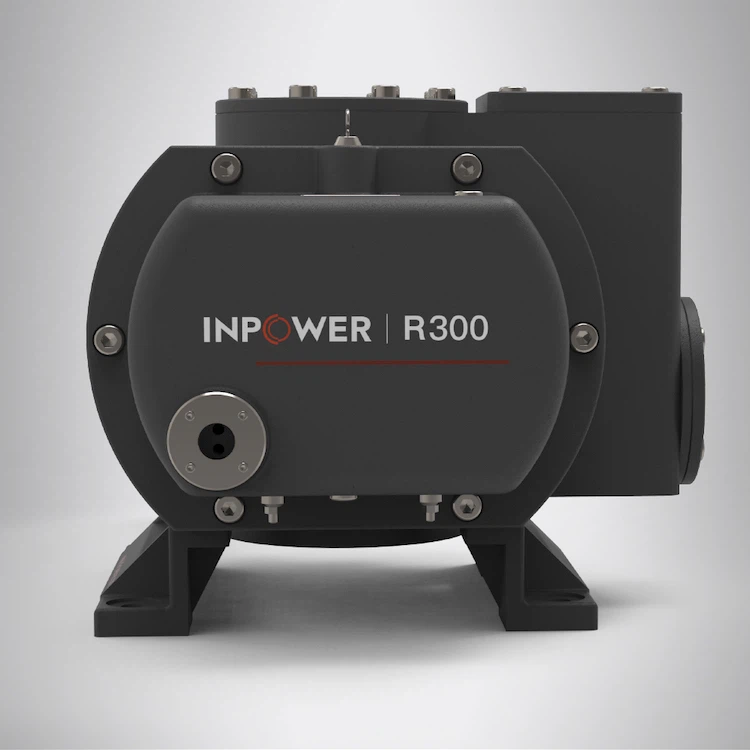
In addition, clean the pump's filters regularly. Filters are designed to remove contaminants from the air or gas flowing through the pump. A clogged filter can restrict the airflow, causing the pump to work harder and reducing its efficiency. By keeping the filters clean, you can improve the pump's performance and prevent premature wear.
Proper Installation and Operating Conditions
The way a Vacuum Assist Pump is installed and operated can have a significant impact on its service life. Here are some key points to consider:
Installation
- Location: Choose a suitable location for the pump. It should be placed in a clean, dry, and well - ventilated area. Avoid installing the pump near sources of heat, dust, or moisture, as these can damage the pump's components. For example, high temperatures can cause the oil to break down more quickly, while dust can clog the filters and other parts.
- Alignment: Ensure that the pump is properly aligned with the motor or other driving equipment. Misalignment can cause excessive vibration, which can lead to premature wear on the bearings, shafts, and other components. Use alignment tools to ensure accurate alignment during installation.
Operating Conditions
- Operating Pressure: Operate the pump within its recommended pressure range. Running the pump at pressures outside of the specified limits can cause excessive stress on the components, leading to premature failure. Monitor the pressure regularly using a pressure gauge and adjust the system as needed.
- Temperature: Keep the pump's operating temperature within the recommended range. High temperatures can cause the oil to lose its lubricating properties and can also damage the pump's seals and other components. Use cooling systems, such as air - cooled or water - cooled radiators, if necessary, to maintain the proper temperature.
Training and Operator Awareness
Proper training of operators is crucial for extending the service life of a Vacuum Assist Pump. Operators should be familiar with the pump's operation, maintenance requirements, and safety procedures.
- Training Programs: Provide comprehensive training programs for operators. These programs should cover topics such as pump startup and shutdown procedures, how to monitor the pump's performance, and basic maintenance tasks. Well - trained operators are more likely to detect and address issues early, preventing minor problems from turning into major ones.
- Operator Awareness: Encourage operators to be aware of the pump's performance and to report any unusual noises, vibrations, or changes in pressure or temperature immediately. Early detection of problems can lead to timely repairs and prevent further damage to the pump.
Use of Quality Parts and Accessories
Using high - quality parts and accessories is essential for the long - term performance of a Vacuum Assist Pump. When it comes to replacement parts, always choose parts that are specifically designed for your pump model.
- OEM Parts: Consider using original equipment manufacturer (OEM) parts. OEM parts are designed to meet the exact specifications of your pump and are more likely to provide a perfect fit and reliable performance. While they may be more expensive than aftermarket parts, they can help to ensure the longevity of your pump.
- Accessories: Invest in high - quality accessories, such as filters and oil. High - quality filters will be more effective at removing contaminants, while good - quality oil will provide better lubrication and protection for the pump's components.
Upgrading and Modernization
As technology advances, upgrading your Vacuum Assist Pump can be a good way to extend its service life and improve its performance.
- Energy - Efficient Upgrades: Look for energy - efficient upgrades that can reduce the pump's power consumption. This not only saves on energy costs but also puts less stress on the pump's components, potentially extending its lifespan.
- New Features: Consider upgrading to a pump with new features and improved technology. For example, some modern pumps have built - in sensors and monitoring systems that can provide real - time information about the pump's performance, allowing for more proactive maintenance.
Specific Types of Vacuum Assist Pumps
There are several types of Vacuum Assist Pumps available in the market, each with its own characteristics and requirements. Here are some popular types and some additional tips for them:
- Big Pumping Roots Vacuum Pump: These pumps are known for their high pumping speed and are often used in applications where large volumes of gas need to be removed quickly. For Big Pumping Roots Vacuum Pumps, it's important to ensure proper cooling, as they can generate a significant amount of heat during operation. Regularly check the cooling system to make sure it's working efficiently.
- Mechanical Vacuum Booster System Pump: Mechanical Vacuum Booster System Pumps are used to increase the vacuum level in a system. They work in conjunction with other pumps. To extend their service life, ensure proper coordination with the other pumps in the system. Monitor the pressure differentials carefully and make sure the pump is not overloaded.
- Air Cooled Roots Vacuum Pump: These pumps rely on air to cool the motor and other components. Keep the cooling fins clean and free from debris to ensure proper airflow. A blocked cooling fin can cause the pump to overheat and reduce its service life.
Conclusion
Extending the service life of a Vacuum Assist Pump is a combination of regular maintenance, proper installation and operation, operator training, using quality parts, and considering upgrades. By following these tips, you can ensure that your Vacuum Assist Pump operates efficiently for a longer period, reducing downtime and saving on replacement costs.
If you are interested in purchasing a Vacuum Assist Pump or have any questions about extending the service life of your existing pump, feel free to contact us for a consultation. We are here to provide you with the best solutions for your vacuum pumping needs.
References
- AIChE (American Institute of Chemical Engineers). "Guidelines for Vacuum System Design and Operation."
- ASME (American Society of Mechanical Engineers). "Standards for Pumps and Pumping Systems."
- Manufacturer's manuals for various Vacuum Assist Pumps.