


As a supplier of Single Phase Vacuum Pumps, I understand the critical importance of ensuring the reliability of these essential pieces of equipment. In this blog post, I will share some key strategies and practices that can help you maintain the reliability of a single phase vacuum pump, drawing on my experience in the industry.
Understanding the Basics of Single Phase Vacuum Pumps
Before delving into the ways to ensure reliability, it's essential to have a basic understanding of single phase vacuum pumps. These pumps are widely used in various industries for applications such as vacuum packaging, laboratory work, and small - scale industrial processes. They are designed to operate on a single - phase electrical power supply, which makes them suitable for use in settings where three - phase power is not available or practical.
Single phase vacuum pumps typically work on the principle of creating a vacuum by removing air or gas from a sealed chamber. They can be of different types, including rotary vane pumps, diaphragm pumps, and piston pumps. Each type has its own unique characteristics and operating requirements, but the goal of ensuring reliability remains the same across all types.
Selecting the Right Pump for the Application
One of the first steps in ensuring the reliability of a single phase vacuum pump is to select the right pump for the specific application. Consider factors such as the required vacuum level, the flow rate, and the nature of the gas or vapor being pumped. For example, if you are working with corrosive gases, you will need a pump that is made of materials resistant to corrosion.
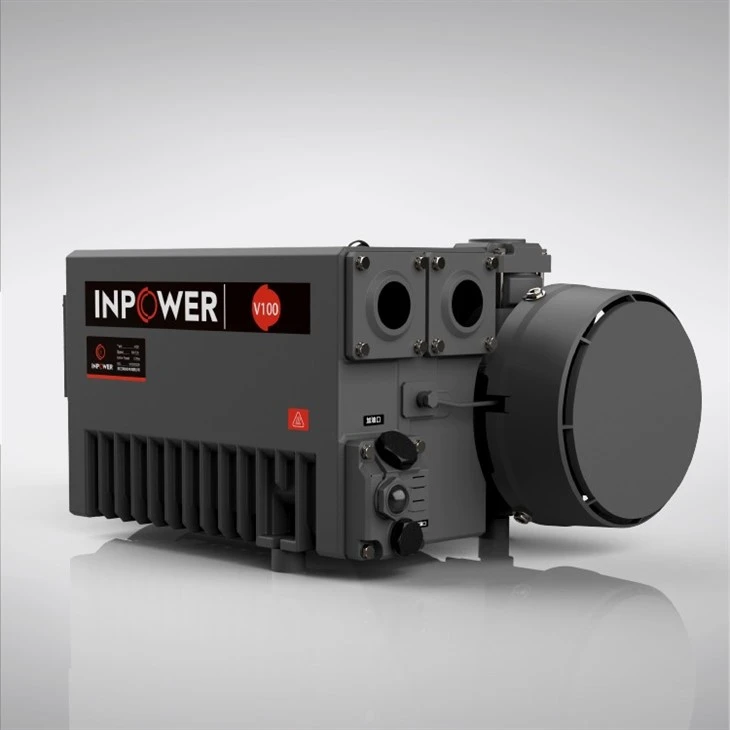
Our company offers a range of single phase vacuum pumps to meet different application needs. You can explore our Single Phase Vacuum Pump product line to find the pump that best suits your requirements. Additionally, we have specialized pumps like the Portable Oil Vacuum Pump, which is ideal for applications where portability is a key factor, and the Explosion - Proof Vacuum Pump, designed for use in hazardous environments.
Proper Installation
Proper installation is crucial for the reliable operation of a single phase vacuum pump. Follow the manufacturer's installation instructions carefully. Ensure that the pump is installed on a stable and level surface to prevent vibration, which can cause premature wear and damage to the pump components.
The electrical connections must be made correctly. Use the appropriate gauge of wire and ensure that all connections are tight and secure. Incorrect electrical connections can lead to overheating, motor failure, and other issues that can compromise the reliability of the pump.
In addition, make sure that the inlet and outlet ports of the pump are properly connected to the system. Use the correct type of tubing or piping and ensure that there are no leaks in the connections. Leaks can reduce the efficiency of the pump and may also allow contaminants to enter the pump, causing damage.
Regular Maintenance
Regular maintenance is one of the most effective ways to ensure the reliability of a single phase vacuum pump. Here are some key maintenance tasks:
Lubrication
If your pump is an oil - lubricated type, regular oil changes are essential. The oil in the pump serves multiple purposes, including lubricating the moving parts, sealing the pump chambers, and removing heat. Over time, the oil can become contaminated with dirt, moisture, and other impurities, which can reduce its effectiveness. Follow the manufacturer's recommendations for oil change intervals and use the recommended type of oil.
Filter Replacement
Many single phase vacuum pumps are equipped with filters to remove contaminants from the gas or vapor being pumped. These filters need to be replaced regularly to ensure that they are functioning properly. A clogged filter can restrict the flow of gas through the pump, reducing its efficiency and potentially causing damage to the pump.
Inspection of Seals and Gaskets
Seals and gaskets play a crucial role in preventing leaks in the pump. Regularly inspect these components for signs of wear, damage, or deterioration. Replace any seals or gaskets that show signs of problems to maintain the integrity of the pump.
Motor Inspection
The motor is the heart of the single phase vacuum pump. Check the motor regularly for signs of overheating, unusual noises, or vibration. Ensure that the motor bearings are properly lubricated (if applicable) and that the motor is operating within its rated temperature and voltage range.

Monitoring and Control
Implementing a monitoring and control system can help you detect potential problems with the single phase vacuum pump before they lead to major failures. Here are some monitoring techniques:
Vacuum Level Monitoring
Use a vacuum gauge to monitor the vacuum level in the system. A sudden change in the vacuum level can indicate a problem with the pump, such as a leak or a loss of pumping efficiency. Set up alarms to alert you when the vacuum level goes outside the normal operating range.
Temperature Monitoring
Monitor the temperature of the pump motor and other critical components. Overheating can be a sign of a problem, such as a blocked cooling system or excessive friction. If the temperature exceeds the recommended limits, take immediate action to address the issue.
Flow Rate Monitoring
Monitoring the flow rate of the gas or vapor being pumped can also provide valuable information about the pump's performance. A decrease in the flow rate may indicate a blockage in the system or a problem with the pump itself.
Training and Operator Awareness
Ensure that the operators of the single phase vacuum pump are properly trained. They should understand how to operate the pump correctly, perform basic maintenance tasks, and recognize the signs of potential problems. Provide them with training manuals and safety guidelines, and encourage them to report any issues they notice during operation.
Spare Parts Management
Maintaining an inventory of essential spare parts can significantly reduce downtime in case of a pump failure. Identify the critical spare parts for your pump, such as seals, gaskets, filters, and motor components, and keep an adequate supply on hand. Make sure that the spare parts are stored in a clean and dry environment to prevent damage.
Conclusion
Ensuring the reliability of a single phase vacuum pump requires a comprehensive approach that includes proper selection, installation, maintenance, monitoring, and training. By following the strategies outlined in this blog post, you can minimize the risk of pump failures, extend the lifespan of your pump, and ensure that it operates efficiently and effectively.
If you are interested in purchasing a single phase vacuum pump or need further advice on ensuring its reliability, we are here to help. Contact us to discuss your specific requirements and start a procurement conversation.
References
- "Vacuum Technology Handbook" by A. F. Dushman
- Manufacturer's manuals for single phase vacuum pumps


