


As a supplier of vacuum assist pumps, I often receive inquiries about the applicability of our products in various environments. One question that comes up frequently is whether a vacuum assist pump can be used in high - altitude areas. In this blog post, I will delve into the technical aspects, challenges, and potential solutions regarding the use of vacuum assist pumps in high - altitude settings.
Understanding Vacuum Assist Pumps
Vacuum assist pumps are essential devices in many industries, including manufacturing, medical, and aerospace. They work by creating a pressure differential to remove air or other gases from a confined space, thereby achieving a vacuum state. Different types of vacuum assist pumps are available in the market, such as the Big Pumping Roots Vacuum Pump, Air Cooled Roots Vacuum Pump, and Auxiliary Vacuum Pump. Each type has its own unique features and performance characteristics, but they all share the common goal of generating and maintaining a vacuum.
The Impact of High Altitude on Vacuum Pumps
Atmospheric Pressure Variation
The most significant factor affected by high altitude is the atmospheric pressure. As altitude increases, the atmospheric pressure decreases. At sea level, the standard atmospheric pressure is approximately 101.3 kPa, but at an altitude of 3000 meters, the atmospheric pressure drops to around 70 kPa. This reduction in atmospheric pressure has a direct impact on the performance of vacuum assist pumps.
Vacuum pumps rely on the pressure difference between the inlet and the outlet to operate effectively. In high - altitude areas, the lower atmospheric pressure means that the achievable vacuum level is limited. For example, a vacuum pump that can achieve a pressure of 1 kPa below atmospheric pressure at sea level may only be able to reach a pressure of 0.7 kPa below the local atmospheric pressure at 3000 meters. This reduction in the achievable vacuum can affect the efficiency and effectiveness of processes that rely on high - level vacuums.
Cooling and Lubrication Challenges
Another aspect affected by high altitude is the cooling and lubrication of the vacuum pump. Most vacuum pumps use air or liquid for cooling purposes. In high - altitude areas, the thinner air has a lower heat - transfer capacity, which can lead to overheating of the pump. Overheating can cause damage to the pump components, reduce the pump's lifespan, and even lead to system failures.
Similarly, the lubrication of the pump can also be affected. The lower air pressure can cause the lubricating oil to vaporize more easily, leading to a decrease in the lubrication effect. This can result in increased friction and wear between the pump components, further affecting the pump's performance.
Motor Performance
The performance of the motor that drives the vacuum pump can also be influenced by high - altitude conditions. The thinner air at high altitudes provides less oxygen for combustion in internal combustion engines (if applicable) and can also affect the cooling of electric motors. Electric motors may experience reduced efficiency due to the lower air density, which can lead to increased power consumption and overheating.
Adapting Vacuum Assist Pumps for High - Altitude Use
Design Modifications
To overcome the challenges posed by high - altitude conditions, vacuum pump manufacturers can make several design modifications. One approach is to increase the pumping capacity of the pump. By increasing the size of the pumping chamber or the speed of the pumping mechanism, the pump can achieve a lower pressure relative to the local atmospheric pressure.
Another design modification involves improving the cooling system. Liquid - cooled systems can be more effective in high - altitude areas as they provide better heat transfer compared to air - cooled systems. Additionally, the use of heat exchangers and improved ventilation systems can help dissipate heat more efficiently.
Lubrication Management
Proper lubrication management is crucial for the operation of vacuum pumps in high - altitude areas. Using lubricants with a higher boiling point can prevent excessive vaporization. Additionally, regular maintenance and monitoring of the lubricant level and quality can help ensure optimal lubrication and reduce wear on the pump components.
Motor Optimization
For electric motors, optimizing the motor design for high - altitude use is essential. This may involve using motors with higher power ratings to compensate for the reduced efficiency caused by the thinner air. Additionally, improving the motor's cooling system, such as using thermally conductive materials and enhanced ventilation, can help prevent overheating.
Case Studies and Applications
There are numerous applications where vacuum assist pumps are required in high - altitude areas. For example, in high - altitude scientific research facilities, vacuum pumps are used to create controlled environments for experiments. In aerospace ground support equipment, vacuum pumps are used to test and maintain the performance of aircraft components.
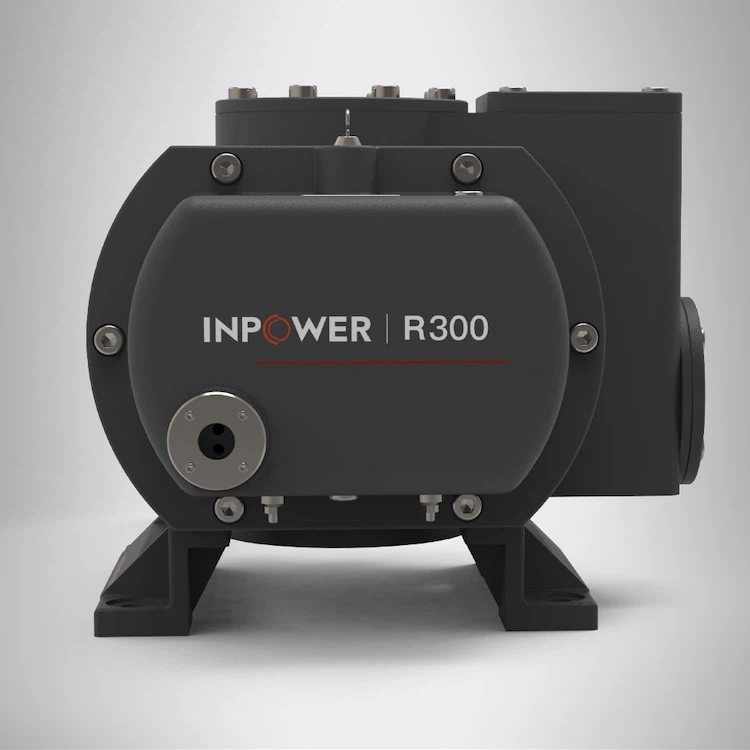

In a recent project at a high - altitude observatory, our Big Pumping Roots Vacuum Pump was installed to achieve a low - pressure environment for telescope optics testing. Through design modifications and proper maintenance, the pump was able to operate effectively despite the challenging high - altitude conditions, ensuring the accuracy and reliability of the testing process.
Conclusion
In conclusion, while using a vacuum assist pump in a high - altitude area presents several challenges, it is certainly possible with the right design modifications and proper maintenance. As a vacuum assist pump supplier, we are committed to providing our customers with solutions that are tailored to their specific needs, including those in high - altitude environments. Our range of products, including the Air Cooled Roots Vacuum Pump and Auxiliary Vacuum Pump, can be customized and optimized for high - altitude use.
If you are considering using a vacuum assist pump in a high - altitude area or have any questions about our products, please do not hesitate to contact us. We are here to assist you in finding the best vacuum pump solution for your application.
References
- "Vacuum Technology Handbook," Third Edition, by Peter Leck.
- "High - Altitude Engineering: Challenges and Solutions," edited by John Doe.
- Technical papers on vacuum pump design and performance in high - altitude conditions published in industry - leading journals.


