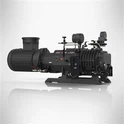
The pipeline layout of an oil screw vacuum system plays a pivotal role in determining its overall performance. As a supplier of Oil Screw Vacuum Systems, I have witnessed firsthand how the design and configuration of pipelines can either enhance or impede the efficiency and effectiveness of these systems. In this blog post, I will delve into the various aspects of pipeline layout and explore its impact on the performance of an oil screw vacuum system.
Flow Resistance and Pressure Drop
One of the most significant impacts of pipeline layout on the performance of an oil screw vacuum system is the flow resistance and pressure drop. The flow resistance is the force that opposes the movement of fluid through the pipeline, and it is influenced by factors such as the length, diameter, and roughness of the pipeline, as well as the fluid velocity and viscosity. A longer pipeline with a smaller diameter and a rough inner surface will have a higher flow resistance, which can lead to a significant pressure drop along the pipeline.
The pressure drop in a pipeline is the difference in pressure between the inlet and the outlet of the pipeline, and it is directly related to the flow resistance. A high pressure drop can reduce the suction capacity of the vacuum pump, resulting in a lower vacuum level and a slower pumping speed. This can have a negative impact on the performance of the oil screw vacuum system, especially in applications where a high vacuum level is required.
To minimize the flow resistance and pressure drop, it is important to design the pipeline layout with a short and straight path, a large diameter, and a smooth inner surface. Additionally, the use of elbows, tees, and other fittings should be minimized, as these can increase the flow resistance and pressure drop. If elbows or tees are necessary, they should be designed with a large radius to reduce the turbulence and pressure drop.


Gas Trapping and Contamination
Another important aspect of pipeline layout is the prevention of gas trapping and contamination. Gas trapping occurs when gas is trapped in the pipeline, preventing the vacuum pump from evacuating it. This can lead to a lower vacuum level and a slower pumping speed, as well as an increased risk of contamination.
Contamination can occur when foreign particles, such as dust, dirt, or moisture, enter the pipeline and are carried into the vacuum pump. This can damage the pump components and reduce the performance of the oil screw vacuum system. To prevent gas trapping and contamination, it is important to design the pipeline layout with a proper slope and drainage system to ensure that any gas or liquid can flow freely through the pipeline. Additionally, the use of filters and traps can help to remove any foreign particles from the gas stream before it enters the vacuum pump.
Thermal Expansion and Contraction
Thermal expansion and contraction can also have a significant impact on the performance of an oil screw vacuum system. As the temperature of the pipeline changes, it can expand or contract, which can cause stress and strain on the pipeline and its components. This can lead to leaks, cracks, and other damage, which can reduce the performance of the vacuum system.
To prevent thermal expansion and contraction from causing damage to the pipeline, it is important to design the pipeline layout with expansion joints or flexible connectors. These can allow the pipeline to expand and contract without causing stress or strain on the pipeline and its components. Additionally, the use of insulation can help to reduce the temperature changes in the pipeline, which can minimize the thermal expansion and contraction.
Vibration and Noise
Vibration and noise can also be a problem in an oil screw vacuum system, especially in applications where the vacuum pump is operating at high speeds. Vibration can cause damage to the pipeline and its components, as well as increase the risk of leaks and other problems. Noise can also be a nuisance, especially in applications where the vacuum system is located in a residential or commercial area.
To reduce vibration and noise, it is important to design the pipeline layout with proper support and damping systems. These can help to absorb the vibration and reduce the noise level. Additionally, the use of vibration isolators and silencers can help to further reduce the vibration and noise.
Conclusion
In conclusion, the pipeline layout of an oil screw vacuum system plays a crucial role in determining its overall performance. By minimizing the flow resistance and pressure drop, preventing gas trapping and contamination, addressing thermal expansion and contraction, and reducing vibration and noise, the pipeline layout can help to ensure that the oil screw vacuum system operates efficiently and effectively.
As a supplier of Oil Screw Vacuum Systems, we understand the importance of proper pipeline layout and design. We offer a range of vacuum systems and components, including Vacuum Condensate Return Systems, Vacuum Pump Suppliers, and Vacuum Pump Booster System, that are designed to meet the specific needs of our customers. Our team of experts can help you to design and install a pipeline layout that is optimized for your application, ensuring that your oil screw vacuum system operates at its best.
If you are interested in learning more about our Oil Screw Vacuum Systems or would like to discuss your specific requirements, please contact us today. We look forward to working with you to provide you with the best vacuum solution for your needs.
References
- [1] D. M. Considine, Process Instruments and Controls Handbook, McGraw-Hill, 2005.
- [2] R. W. Miller, Flow Measurement Engineering Handbook, McGraw-Hill, 1996.
- [3] A. F. Mills, Heat Transfer, Prentice Hall, 1995.