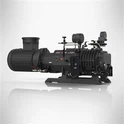
As a supplier of Dry Screw Vacuum Pumps, I've been in the thick of understanding the ins and outs of these machines. One question that often pops up is, "What is the impact of humidity on dry screw vacuum pumps?" Today, let's dive into this topic and see how humidity can mess with these pumps and what we can do about it.
How Humidity Affects Dry Screw Vacuum Pumps
First off, we need to know how these pumps work. Dry screw vacuum pumps are pretty nifty pieces of equipment. They use two inter - meshing screws to trap and compress gas in the pump chamber. The cool thing about them is that they don't need oil for sealing or lubrication, which makes them super clean and great for a bunch of industrial uses. But humidity can throw a wrench in their operation.
Corrosion
Humidity means there's more water vapor in the air. When this moist air gets into the pump, it can lead to corrosion. The metal parts inside the pump, like the screws and the housing, are at risk. Corrosion can eat away at the surface of these parts over time. This not only makes the parts weaker but also changes their dimensions. If the screws get corroded, they won't mesh as smoothly as they should. That can cause a drop in the pump's performance, like reduced pumping speed and lower ultimate vacuum.
Condensation
Another big problem is condensation. When the temperature inside the pump drops, the water vapor in the gas being pumped can condense into liquid water. Liquid water in a dry screw vacuum pump is a no - no. It can cause hydraulic lock, which is when the liquid fills up the spaces between the screws and stops them from rotating properly. This can put a lot of stress on the motor and other components, potentially leading to mechanical failure.
Lubrication and Wear
Even though dry screw vacuum pumps are oil - free, the moving parts still experience friction. The presence of moisture can change the friction characteristics between the screws. In some cases, it might seem like the water acts as a lubricant, but in the long run, it can cause more wear. The water can carry contaminants and abrasive particles, which scratch and damage the surfaces of the screws. This wear and tear shortens the lifespan of the pump and increases the need for maintenance.


Real - World Examples and Case Studies
I've seen firsthand how humidity can mess things up. One of our clients was using a dry screw vacuum pump in a coastal area. The high humidity there was a constant battle. They started noticing that the performance of the pump was gradually declining. The pumping speed was slower, and they were having trouble reaching the desired vacuum level. When we took a look inside the pump, we found significant corrosion on the screws. The salty and humid air in the coastal environment had accelerated the corrosion process.
In another case, a client was using the pump in a process where there was a lot of steam involved. The steam increased the humidity inside the pump system. Condensation started to build up, and it led to a hydraulic lock. The motor was overloaded, and they had to shut down the pump for repairs. These real - world examples show how important it is to understand the impact of humidity on dry screw vacuum pumps.
Mitigation Strategies
So, what can we do to deal with the impact of humidity?
Pre - treatment of the Gas
One way is to pre - treat the gas before it enters the pump. We can use a dryer or a condenser to remove the moisture from the gas. A dryer can absorb the water vapor, while a condenser can cool the gas and turn the vapor into liquid water, which can then be drained off. This reduces the amount of moisture that reaches the pump, protecting it from corrosion and condensation problems.
Material Selection
When manufacturing the pumps, we can choose materials that are more resistant to corrosion. Stainless steel is a great option for the screws and other critical parts. It can withstand the effects of moisture and corrosive gases much better than ordinary steel. Some pumps even have a special coating on the metal surfaces to add an extra layer of protection.
Temperature Control
Maintaining the right temperature inside the pump is crucial. By keeping the temperature above the dew point, we can prevent condensation from occurring. Many modern dry screw vacuum pumps, like the Water Cooled Dry Screw Vacuum Pump, are designed to use water - cooling systems. These systems help regulate the temperature, ensuring that the pump stays within an optimal operating range.
The Role of Our Company
As a Dry Screw Vacuum Pumps supplier, we play an important part in helping our customers deal with humidity issues. We offer high - quality pumps that are designed to handle different levels of humidity. Our Oil Free Screw Vacuum Pump and Water Cooled Dry Screw Vacuum Pump are built with corrosion - resistant materials and advanced cooling systems.
We also provide our customers with detailed information on how to operate and maintain the pumps in humid environments. Our technical support team is always ready to answer any questions and offer solutions to problems. Whether it's suggesting the right pre - treatment equipment or helping with a pump repair, we're here to make sure our customers get the most out of their dry screw vacuum pumps.
Ending Thoughts
Humidity can have a significant impact on dry screw vacuum pumps, from corrosion and condensation to increased wear. But with the right understanding and mitigation strategies, we can minimize these effects. As a supplier, we're committed to providing the best products and services to our customers. If you're in the market for a Oil Free Screw Vacuum Pump or need help with your existing pump, don't hesitate to reach out. We're here to assist you in making the right choices and ensuring the smooth operation of your equipment.
References
- "Vacuum Technology Handbook"
- Industry reports on dry screw vacuum pump performance in humid conditions