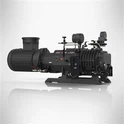
Hey there! As a supplier of Turbo Vacuum Pumps, I often get asked about the maintenance requirements for these nifty machines. So, I thought I'd sit down and write a blog post to share some insights on this topic.
First off, let's understand what a Turbo Vacuum Pump is. A Turbo Vacuum Pump is a high - speed, high - performance pump used to create and maintain a vacuum in various industrial and scientific applications. You can learn more about them on our website: Turbo Vacuum Pump.
General Maintenance Tips
One of the most important aspects of maintaining a Turbo Vacuum Pump is keeping it clean. Dust, debris, and contaminants can build up over time and affect the pump's performance. Regularly inspect the pump for any visible signs of dirt or damage. You can use a soft brush or compressed air to gently clean the exterior of the pump.

The bearings in a Turbo Vacuum Pump are critical components. They need to be lubricated properly. Check the lubrication levels according to the manufacturer's recommendations. Over - lubrication can be just as bad as under - lubrication, so make sure you follow the guidelines precisely.
The cooling system is another vital part. Turbo Vacuum Pumps generate a significant amount of heat during operation. If the cooling system fails or is not working efficiently, it can lead to overheating and damage the pump. Regularly check the coolant levels and the condition of the cooling pipes. Any signs of leaks or blockages should be addressed immediately.
Monitoring Performance
Keep an eye on the pump's performance metrics. The vacuum level is a key indicator. If you notice a drop in the vacuum level, it could be a sign of a problem. You can measure the vacuum level using a vacuum gauge. If the vacuum level doesn't reach the expected values or starts to fluctuate abnormally, it's time to investigate further.
The power consumption of the pump can also tell you a lot. An increase in power consumption might mean that the pump is working harder than it should, perhaps due to a mechanical issue or a blockage in the system. Regularly record the power consumption and look for any trends or sudden changes.
Specific Component Maintenance
The rotors in a Turbo Vacuum Pump are precision - engineered parts. They spin at extremely high speeds, so any imbalance or damage can cause serious problems. Periodically, you should have the rotors inspected for wear and tear. If there are signs of damage, they may need to be replaced.
The seals in the pump prevent air from leaking into the vacuum system. Over time, the seals can degrade due to heat, chemicals, and normal wear. Check the seals regularly for any signs of cracking, hardening, or leakage. Replace them as soon as you notice any issues to maintain the integrity of the vacuum.
Maintenance Schedule
It's a good idea to have a regular maintenance schedule. This could be weekly, monthly, or quarterly, depending on how often the pump is used. For example, weekly checks could include a visual inspection of the exterior, checking the coolant levels, and monitoring the vacuum level. Monthly checks might involve more in - depth inspections of the bearings and seals. Quarterly checks could include a full - scale performance evaluation and any necessary component replacements.
Low Pressure Vacuum 10 ^ -7 Mbar Turbo
If you're using a Low Pressure Vacuum 10 ^ -7 Mbar Turbo, there are some additional maintenance considerations. These pumps are designed for extremely low - pressure applications, so they require even more careful maintenance.
The filtration system is crucial for these pumps. It helps to prevent contaminants from entering the pump and damaging the sensitive components. Make sure to replace the filters regularly according to the manufacturer's instructions.
The control system of the Low Pressure Vacuum 10 ^ -7 Mbar Turbo also needs to be maintained. Check the sensors and controllers to ensure they are functioning correctly. Any malfunctions in the control system can lead to inaccurate vacuum levels and pump failure.
Troubleshooting
Even with regular maintenance, problems can still occur. If you experience issues like strange noises coming from the pump, it could be due to a loose component, a bearing problem, or a misaligned rotor. In such cases, it's best to stop the pump immediately and have it inspected by a professional.
If the pump fails to start, check the power supply, the control system, and the safety interlocks. Sometimes, a simple reset or a check of the electrical connections can solve the problem. However, if the issue persists, it's time to call in the experts.
Conclusion
Maintaining a Turbo Vacuum Pump is essential to ensure its long - term performance and reliability. By following the maintenance requirements, you can extend the lifespan of the pump, reduce the risk of breakdowns, and save on costly repairs.
If you're in the market for a Turbo Vacuum Pump or need more information about maintenance, feel free to visit our website: Turbo Vacuum Pump. We're always here to help you with your vacuum pump needs. Whether you're a small - scale laboratory or a large - scale industrial facility, we can provide the right solution for you. If you have any questions or are interested in purchasing a Turbo Vacuum Pump, don't hesitate to reach out. We're ready to start a conversation and help you find the perfect pump for your application.
References
- Manufacturer's manuals for Turbo Vacuum Pumps
- Industry standards and best practices for vacuum pump maintenance