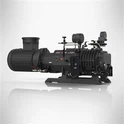
What are the installation requirements for a rotary vane vacuum pump in a laboratory?
As a trusted supplier of Rotary Vane Vacuum Pumps, I understand the importance of proper installation for these essential laboratory devices. A well - installed rotary vane vacuum pump not only ensures optimal performance but also extends its service life. In this blog, I will discuss the key installation requirements for a rotary vane vacuum pump in a laboratory setting.
1. Location Selection
The first step in installing a rotary vane vacuum pump is choosing the right location. The area should be well - ventilated to prevent the build - up of heat and fumes. Since rotary vane pumps generate heat during operation, proper ventilation helps dissipate this heat, which is crucial for the pump's long - term reliability. A poorly ventilated space can cause the pump to overheat, leading to premature wear and tear or even system failure.
The location should also be clean and free from dust and debris. Dust can enter the pump and cause abrasion to the internal components, such as the vanes and the pumping chamber. This can reduce the pump's efficiency and increase the risk of breakdowns. For example, if the laboratory is in an industrial area or near a construction site, it might be necessary to install air filters or place the pump in an enclosed cabinet with filtered air intake.
Moreover, the installation area should be level. An uneven surface can cause the pump to vibrate excessively during operation. Excessive vibration not only affects the pump's performance but can also lead to loosening of bolts and connections, potentially causing leaks. To ensure a level installation, you can use a spirit level and adjust the pump's feet accordingly.
2. Electrical Requirements
Proper electrical installation is vital for the safe and efficient operation of a rotary vane vacuum pump. First, you need to ensure that the power supply matches the pump's electrical specifications. This includes the voltage, frequency, and phase requirements. Using an incorrect power supply can damage the pump's motor and other electrical components.
It is recommended to use a dedicated electrical circuit for the vacuum pump. This helps prevent electrical interference from other laboratory equipment and reduces the risk of overloading the circuit. Additionally, a dedicated circuit provides a more stable power supply, which is beneficial for the pump's performance.
All electrical connections should be made according to local electrical codes and standards. This includes proper grounding of the pump to prevent electrical shock hazards. A good grounding system can also help protect the pump from electrical surges and lightning strikes. When making electrical connections, use high - quality electrical cables and connectors to ensure reliable and safe operation.
3. Plumbing and Piping
The plumbing and piping system for the rotary vane vacuum pump is another critical aspect of the installation. The inlet and outlet connections should be properly sized and made of suitable materials. For the inlet, the piping should be as short and straight as possible to minimize pressure drop. A long or convoluted inlet pipe can reduce the pump's pumping speed and efficiency.
The materials used for the piping should be compatible with the gases or vapors being pumped. For example, if the pump is used to handle corrosive gases, the piping should be made of corrosion - resistant materials such as stainless steel or PTFE.
Proper sealing of all pipe joints is essential to prevent leaks. Leaks can not only reduce the pump's performance but can also pose safety hazards, especially if toxic or flammable gases are being pumped. You can use appropriate sealing materials, such as O - rings or gaskets, and ensure that the joints are tightened to the correct torque.
4. Oil and Lubrication
Many rotary vane vacuum pumps are oil - lubricated. The type of oil used is crucial for the pump's performance and longevity. Different pumps require different types of oils, and using the wrong oil can lead to poor lubrication, increased wear, and reduced pumping efficiency.
When installing the pump, you need to fill the oil reservoir to the correct level. Overfilling or underfilling the oil can cause problems. Overfilling can lead to oil leakage and foaming, while underfilling can result in insufficient lubrication and overheating of the pump.
Regular oil changes are also necessary to maintain the pump's performance. The frequency of oil changes depends on the pump's usage and the type of gases being pumped. For example, if the pump is used continuously in a dirty or corrosive environment, the oil may need to be changed more frequently.
5. Safety Considerations
Safety is of utmost importance during the installation of a rotary vane vacuum pump. The pump should be installed in an area where it is easily accessible for maintenance and inspection. This allows for quick identification and resolution of any potential problems.
It is also essential to install safety devices, such as pressure relief valves and over - temperature sensors. Pressure relief valves protect the pump from over - pressurization, which can occur due to blockages in the piping or other operational issues. Over - temperature sensors can detect when the pump is overheating and automatically shut off the pump to prevent damage.
Proper signage should be placed near the pump to indicate its operating instructions, safety warnings, and emergency procedures. This helps laboratory personnel operate the pump safely and respond appropriately in case of an emergency.


6. Compatibility with Other Equipment
In a laboratory, the rotary vane vacuum pump is often part of a larger system. It is important to ensure that the pump is compatible with other equipment in the system, such as vacuum chambers, valves, and sensors.
The pumping speed and ultimate vacuum level of the pump should match the requirements of the system. For example, if the system requires a high - vacuum environment, you may need to choose a Oil Sealed Rotary High Vacuum Pumps with a lower ultimate pressure.
The pump should also be able to work in harmony with the control systems of other equipment. This may involve integrating the pump's operation with the overall laboratory automation system, allowing for coordinated control and monitoring.
7. Maintenance Accessibility
During the installation process, you should consider the ease of maintenance. The pump should be installed in a way that allows easy access to all its components, such as the oil reservoir, the vanes, and the motor. This facilitates routine maintenance tasks, such as oil changes, vane replacement, and motor inspections.
There should be enough space around the pump to perform maintenance operations. For example, if you need to remove the pump's cover for inspection or repair, there should be sufficient clearance to do so without any obstructions.
Conclusion
Proper installation of a rotary vane vacuum pump in a laboratory is a multi - faceted process that requires careful consideration of various factors, including location, electrical requirements, plumbing, oil, safety, compatibility, and maintenance accessibility. By following these installation requirements, you can ensure the safe, efficient, and long - term operation of your vacuum pump.
If you are in the market for a high - quality rotary vane vacuum pump, we offer a wide range of products to meet your needs. Our Mini Rotary Vane Pump is ideal for small - scale laboratory applications, while our Oil Sealed Rotary High Vacuum Pumps provide excellent performance for high - vacuum requirements. We also have Lithium Battery Vacuum Pump for applications where portability is a concern.
If you have any questions about our products or need assistance with installation and maintenance, please feel free to contact us. We are always ready to provide you with professional advice and support to ensure that you get the most out of your rotary vane vacuum pump.
References
- "Handbook of Vacuum Technology" by O. Ludwig
- "Vacuum Pumps and Vacuum Technology" by R. M. Boonstra