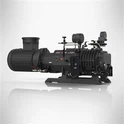
Overheating in a dry vane vacuum pump can lead to a range of problems, from reduced efficiency to permanent damage to the pump. As a supplier of Dry Vane Vacuum Pump, I understand the importance of preventing overheating to ensure the long - term performance and reliability of these pumps. In this blog post, I will share some effective strategies to prevent overheating in dry vane vacuum pumps.
Understanding the Causes of Overheating
Before we delve into prevention methods, it's crucial to understand what causes a dry vane vacuum pump to overheat. Several factors can contribute to this issue:
1. High Ambient Temperature
The temperature of the surrounding environment plays a significant role. If the pump is installed in an area with poor ventilation or high ambient temperatures, it will have a harder time dissipating heat. For example, in industrial settings where there are multiple heat - generating machines in a confined space, the ambient temperature can rise significantly, putting extra stress on the vacuum pump.
2. Excessive Load
When a dry vane vacuum pump is operated beyond its rated capacity, it has to work harder. This increased workload generates more heat. For instance, if the pump is used to evacuate a large volume of gas in a short period or if the inlet pressure is too high, the pump will experience an excessive load.
3. Lack of Lubrication
Although dry vane vacuum pumps do not require traditional liquid lubricants, proper internal coating and vane material play a role in reducing friction. If the vanes are worn out or the internal coating is damaged, friction increases, which in turn generates more heat.
4. Blocked Cooling Channels
Many dry vane vacuum pumps have cooling channels to dissipate heat. If these channels are blocked by dust, debris, or other contaminants, the heat cannot be effectively removed from the pump, leading to overheating.
Preventive Measures
1. Optimize the Installation Location
- Ventilation: Choose an installation location with good ventilation. Ensure that there is enough space around the pump for air to circulate freely. For example, the pump should be installed at least a few feet away from walls or other equipment. You can also install fans or ventilation systems in the area to enhance air movement.
- Temperature Control: If possible, install the pump in an area with controlled ambient temperature. In hot climates or industrial environments with high heat, consider using air - conditioning or other cooling methods to keep the surrounding temperature within the pump's recommended operating range.
2. Monitor and Control the Load
- Proper Sizing: Select a dry vane vacuum pump with the appropriate capacity for your application. Before purchasing a pump, accurately calculate the required pumping speed and inlet pressure. This will ensure that the pump is not overloaded during normal operation.
- Pressure Regulation: Install pressure regulators at the inlet of the pump to maintain a stable inlet pressure. This helps prevent the pump from being subjected to sudden spikes in pressure, which can cause overheating.
3. Regular Maintenance
- Vane Inspection and Replacement: Periodically inspect the vanes for wear and tear. Replace the vanes as recommended by the manufacturer. This will help maintain low friction levels and prevent excessive heat generation.
- Cleaning the Cooling Channels: Regularly clean the cooling channels of the pump to remove any dust or debris. You can use compressed air or a soft brush to clean the channels. This ensures that the heat can be effectively dissipated from the pump.
4. Use of Appropriate Accessories
- Heat Exchangers: Consider installing a heat exchanger in the pump system. A heat exchanger can help transfer the heat from the pump to a cooling medium, such as water or air. This reduces the temperature of the pump and improves its efficiency.
- Thermal Sensors: Install thermal sensors on the pump to monitor its temperature in real - time. These sensors can be connected to an alarm system that alerts you when the temperature exceeds a safe level. This allows you to take immediate action to prevent overheating.
Specific Considerations for Different Applications
1. Chemical and Pharmaceutical Industries
In these industries, the dry vane vacuum pump may be used to handle corrosive or toxic gases. In such cases, it's important to use a pump with appropriate materials of construction. For example, Explosion Proof Dry Vacuum Pump can be used in environments where there is a risk of explosion. Additionally, the pump should be regularly inspected for any signs of corrosion, which can affect its performance and lead to overheating.
2. Food and Beverage Industries
In food and beverage applications, the dry vane vacuum pump needs to meet strict hygiene standards. Use a Dry Air Vacuum Pump that is designed for these types of applications. Regular cleaning and sterilization of the pump are essential to prevent the growth of bacteria and other contaminants, which can also affect the pump's performance and cause overheating.
Conclusion
Preventing overheating in a dry vane vacuum pump is essential for its long - term performance and reliability. By understanding the causes of overheating and implementing the preventive measures outlined above, you can ensure that your pump operates efficiently and has a longer service life.
If you are in the market for a high - quality dry vane vacuum pump or need further advice on preventing overheating, we are here to help. Our team of experts can assist you in selecting the right pump for your application and provide you with comprehensive after - sales support. Contact us to start a procurement discussion and find the best solution for your vacuum pumping needs.


References
- Manufacturer's manuals for dry vane vacuum pumps
- Industry standards and guidelines for vacuum pump operation and maintenance
- Technical papers on heat management in vacuum pumps