Optimizing the internal structure of a multi - stage Roots pump is a crucial task that directly impacts its performance, efficiency, and reliability. As a supplier of multi - stage Roots pumps, I have witnessed firsthand the importance of continuous improvement in the internal design of these pumps to meet the diverse needs of our customers. In this blog, I will share some key strategies and considerations for optimizing the internal structure of a multi - stage Roots pump.
Understanding the Basics of a Multi - Stage Roots Pump
Before delving into optimization strategies, it's essential to understand the basic working principle of a multi - stage Roots pump. A multi - stage Roots pump consists of multiple pairs of lobed rotors that rotate in opposite directions within a housing. The rotation of the rotors creates a series of chambers that trap and transfer gas from the inlet to the outlet. Each stage of the pump increases the compression ratio, allowing the pump to achieve higher vacuum levels compared to single - stage pumps.
1. Rotor Design Optimization
The rotors are the heart of a multi - stage Roots pump, and their design has a significant impact on the pump's performance. Here are some key aspects to consider when optimizing rotor design:
Lobed Profile
The shape of the rotor lobes plays a crucial role in determining the pump's efficiency and flow characteristics. Modern rotor designs often feature advanced lobed profiles, such as involute or cycloidal profiles, which can reduce leakage and improve volumetric efficiency. These profiles ensure a more precise fit between the rotors and the pump housing, minimizing the backflow of gas and increasing the pump's overall performance.
Rotor Clearance
Proper rotor clearance is essential for preventing mechanical interference between the rotors and the pump housing while maintaining efficient gas transfer. Too large a clearance can lead to increased leakage and reduced pumping speed, while too small a clearance can cause excessive friction and wear. Advanced manufacturing techniques, such as precision machining and tight tolerance control, can help achieve optimal rotor clearance and improve the pump's reliability and performance.
Material Selection
The choice of rotor material can also affect the pump's performance and durability. High - strength materials, such as cast iron or stainless steel, are commonly used for rotors due to their excellent mechanical properties and resistance to wear and corrosion. Additionally, surface treatments, such as nitriding or coating, can further enhance the rotor's hardness and wear resistance, extending its service life.
2. Housing Design Optimization
The pump housing provides the structural support for the rotors and seals the pumping chambers. Optimizing the housing design can improve the pump's efficiency, reduce noise, and enhance its overall reliability.
Chamber Geometry
The geometry of the pumping chambers within the housing can significantly impact the pump's performance. A well - designed chamber should have a smooth and continuous shape to minimize flow resistance and turbulence. Additionally, the chamber volume and aspect ratio should be carefully optimized to ensure efficient gas compression and transfer. Computational fluid dynamics (CFD) simulations can be used to analyze the flow patterns within the chambers and identify areas for improvement.
Sealing Mechanisms
Effective sealing is crucial for preventing gas leakage and maintaining the pump's vacuum performance. The housing should be equipped with high - quality seals, such as O - rings or mechanical seals, to ensure a tight seal between the pumping chambers and the external environment. Additionally, proper alignment and installation of the seals are essential to prevent premature failure and ensure long - term reliability.
Cooling System
Multi - stage Roots pumps generate heat during operation, which can affect their performance and reliability. A well - designed cooling system is essential for dissipating this heat and maintaining the pump's operating temperature within acceptable limits. Air - cooled designs, such as the Air Cooled Roots Vacuum Pump, are commonly used for smaller pumps, while larger pumps may require liquid - cooled systems for more efficient heat dissipation.
3. Bearing and Lubrication System Optimization
The bearings support the rotors and allow them to rotate smoothly within the pump housing. Proper bearing selection and lubrication are essential for ensuring the pump's reliability and longevity.
Bearing Selection
The type and size of bearings used in a multi - stage Roots pump should be carefully selected based on the pump's operating conditions, such as load, speed, and temperature. High - quality bearings, such as angular contact ball bearings or cylindrical roller bearings, are commonly used for their high load - carrying capacity and low friction. Additionally, bearings with sealed or shielded designs can help prevent contamination and extend their service life.
Lubrication System
A reliable lubrication system is essential for reducing friction and wear between the bearings and the rotors. Oil - lubricated systems are commonly used for multi - stage Roots pumps, providing a continuous supply of lubricant to the bearings. The lubrication system should be designed to ensure proper oil circulation and filtration, removing any contaminants that could damage the bearings. Regular oil changes and maintenance are also necessary to ensure the system's effectiveness.
4. Drive System Optimization
The drive system is responsible for transmitting power from the motor to the rotors. Optimizing the drive system can improve the pump's efficiency, reduce energy consumption, and enhance its overall performance.
Motor Selection
The choice of motor is crucial for ensuring the pump operates at its optimal efficiency. The motor's power rating, speed, and torque characteristics should be carefully matched to the pump's requirements. High - efficiency motors, such as permanent magnet synchronous motors (PMSMs), can offer significant energy savings compared to traditional induction motors.
Belt or Gear Drive
The drive system can use either a belt or gear drive to transmit power from the motor to the rotors. Belt drives are often preferred for their simplicity, low cost, and ability to provide some degree of shock absorption. However, they may require regular tension adjustment and replacement. Gear drives, on the other hand, offer higher efficiency and more precise speed control but can be more expensive and require more maintenance.
5. Integration with Auxiliary Systems
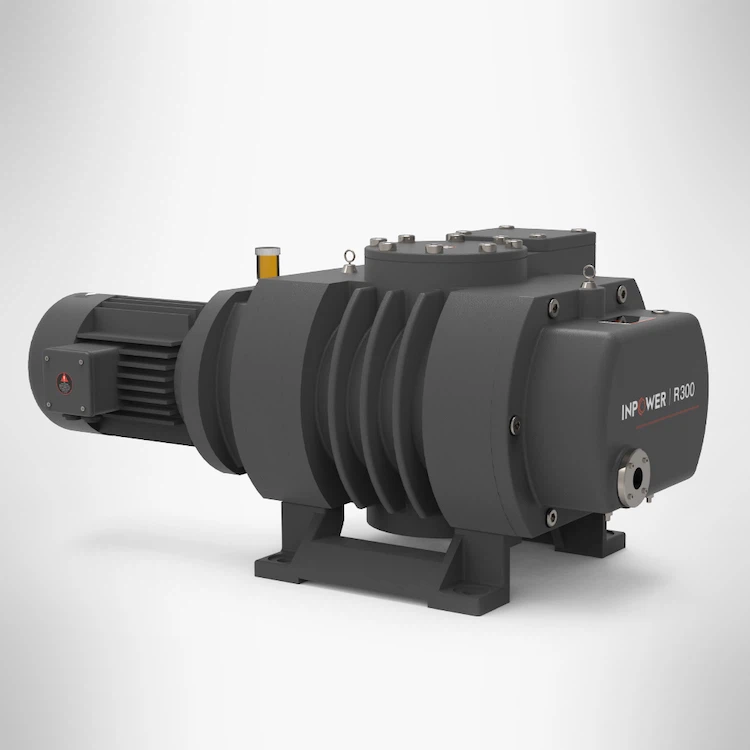
Multi - stage Roots pumps are often used in conjunction with auxiliary systems, such as Auxiliary Vacuum Pump or Vacuum Assist Pump, to achieve the desired vacuum levels and performance. Proper integration of these auxiliary systems is essential for optimizing the overall performance of the pumping system.

System Design
The design of the pumping system should take into account the interaction between the multi - stage Roots pump and the auxiliary systems. The piping layout, valve selection, and control strategy should be carefully optimized to ensure efficient gas flow and pressure control. Additionally, the system should be designed to minimize pressure drops and leakage, improving the overall efficiency of the pumping system.
Control and Monitoring
Advanced control and monitoring systems can be used to optimize the operation of the multi - stage Roots pump and its auxiliary systems. These systems can adjust the pump's speed, control the flow of gas, and monitor key performance parameters, such as pressure, temperature, and power consumption. By continuously monitoring and adjusting the system's operation, it is possible to achieve optimal performance and energy efficiency.
Conclusion
Optimizing the internal structure of a multi - stage Roots pump is a complex but rewarding process that can significantly improve the pump's performance, efficiency, and reliability. By focusing on key areas such as rotor design, housing design, bearing and lubrication systems, drive systems, and integration with auxiliary systems, it is possible to develop pumps that meet the most demanding requirements of our customers.
If you are interested in learning more about our multi - stage Roots pumps or would like to discuss your specific application needs, please feel free to contact us for a consultation. Our team of experts is ready to assist you in finding the best pumping solution for your project.
References
- "Vacuum Technology Handbook", edited by Peter Leck.
- "Pump Handbook", edited by Igor J. Karassik.
- Technical papers on Roots pump design and optimization from industry conferences and journals.