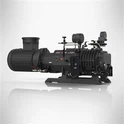
Hey there! As a supplier of Oil Screw Vacuum Systems, I often get asked about how to measure the clearance between the screws in these systems. It's a crucial aspect that can significantly impact the performance and efficiency of the entire setup. So, let's dive right in and explore the ins and outs of this measurement process.
First off, why is measuring the screw clearance so important? Well, the clearance between the screws in an oil screw vacuum system plays a vital role in determining the system's sealing performance, pumping speed, and overall energy consumption. If the clearance is too large, it can lead to leakage of gas and a decrease in pumping efficiency. On the other hand, if the clearance is too small, it can cause excessive friction, wear and tear on the screws, and even mechanical failures. Therefore, getting the clearance just right is essential for optimal system operation.
Now, let's talk about the tools you'll need for this measurement. You'll typically need a set of precision measuring instruments, such as feeler gauges, micrometers, or dial indicators. These tools allow you to accurately measure the small distances between the screws. Make sure to use high-quality instruments to ensure accurate and reliable measurements.
The first step in measuring the screw clearance is to prepare the system. Before you start taking measurements, it's important to shut down the oil screw vacuum system and allow it to cool down completely. This not only ensures your safety but also prevents any thermal expansion or contraction of the components that could affect the measurements. Once the system is cool, you can remove any access panels or covers to gain access to the screws.
Next, you'll need to identify the specific locations where you'll be measuring the clearance. In most oil screw vacuum systems, the clearance is measured at multiple points along the length of the screws. These points are usually specified in the system's technical documentation. Use a marker or a piece of tape to mark these locations for easy reference.
When using a feeler gauge to measure the clearance, you'll need to insert the appropriate thickness of the gauge between the screws at the marked locations. Gently slide the gauge in and out to check for any resistance. If the gauge slides in too easily, it means the clearance is larger than the thickness of the gauge. If it's difficult to insert the gauge, the clearance is smaller. You may need to try different thicknesses of the gauge until you find the one that provides a snug fit.
Micrometers and dial indicators are more precise measuring tools that can provide more accurate readings. To use a micrometer, place the anvil and spindle of the micrometer on either side of the screw clearance. Rotate the thimble until the measuring faces of the micrometer make contact with the screws. Read the measurement on the micrometer's scale. A dial indicator works in a similar way, but it provides a visual indication of the measurement on a dial.
It's important to take multiple measurements at each marked location to ensure accuracy. Sometimes, the clearance may vary slightly along the length of the screws due to manufacturing tolerances or wear. By taking multiple measurements, you can get a more accurate average value of the clearance.
Once you've taken all the measurements, it's time to analyze the results. Compare the measured clearances with the recommended values specified in the system's technical documentation. If the measured clearances are within the acceptable range, then your system is in good condition. However, if the clearances are outside the recommended range, you may need to take corrective actions.
If the clearance is too large, you may need to adjust the position of the screws or replace any worn components. This may require the help of a professional technician who is familiar with the oil screw vacuum system. If the clearance is too small, you may need to carefully grind or machine the screws to increase the clearance. Again, this should be done by a qualified professional to avoid any damage to the screws.
In addition to measuring the clearance between the screws, it's also important to regularly inspect the condition of the screws themselves. Look for any signs of wear, corrosion, or damage. If you notice any issues, it's important to address them promptly to prevent further damage to the system.
Now, let's talk about some common challenges you may encounter when measuring the screw clearance. One of the main challenges is accessing the screws, especially in complex vacuum pump systems. Some systems may have tight spaces or difficult-to-reach areas that make it challenging to insert the measuring tools. In these cases, you may need to use specialized tools or techniques to gain access to the screws.


Another challenge is ensuring that the measuring tools are properly calibrated. Over time, the accuracy of the measuring tools can degrade, leading to inaccurate measurements. It's important to regularly calibrate your measuring tools to ensure their accuracy. You can either do this in-house if you have the necessary equipment or send the tools to a professional calibration service.
As a supplier of Oil Screw Vacuum Systems, we offer a wide range of products and services to meet your vacuum system needs. If you're looking for a Medical Vacuum Pump System, a Vacuum Pump Booster System, or a Complex Vacuum Pump Unit, we've got you covered. Our products are designed to provide reliable and efficient performance, and we also offer expert technical support to help you with any installation, maintenance, or troubleshooting needs.
If you're interested in learning more about our products or have any questions about measuring the screw clearance in an oil screw vacuum system, don't hesitate to reach out to us. We're here to help you make the most of your vacuum system and ensure its optimal performance. Contact us today to start a conversation about your specific requirements and how we can assist you.
In conclusion, measuring the clearance between the screws in an oil screw vacuum system is a critical task that requires careful attention to detail and the use of proper measuring tools. By following the steps outlined in this blog post and addressing any issues promptly, you can ensure the long-term performance and reliability of your vacuum system. If you have any further questions or need assistance, feel free to contact us. We're always happy to help!
References
- Manufacturer's technical documentation for Oil Screw Vacuum Systems
- Industry standards and guidelines for vacuum system maintenance and measurement