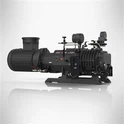
As a provider of Oil Screw Vacuum Systems, I often get asked about the crucial role of the oil cooler in maintaining the oil temperature within these systems. In this blog post, I'll delve into the science behind how an oil cooler effectively manages the oil temperature in an oil screw vacuum system, and why it's so important for the overall performance and longevity of the equipment.
The Basics of an Oil Screw Vacuum System
Before we dive into the details of the oil cooler, let's briefly understand the fundamentals of an oil screw vacuum system. These systems are widely used in various industries, including chemical processing, food packaging, and semiconductor manufacturing, to create and maintain a vacuum environment. The heart of the system is the screw pump, which uses two intermeshing screws to compress and transport gas from the inlet to the outlet.
During the compression process, a significant amount of heat is generated due to the mechanical work done by the screws and the compression of the gas. This heat can cause the oil in the system to reach high temperatures, which can have several negative effects on the performance and reliability of the vacuum system.
The Importance of Maintaining Optimal Oil Temperature
Maintaining the oil temperature within a specific range is crucial for the proper functioning of an oil screw vacuum system. Here are some of the key reasons why:
- Lubrication Efficiency: The oil in the system serves as a lubricant for the moving parts of the screw pump, reducing friction and wear. High temperatures can cause the oil to thin out, reducing its lubrication properties and increasing the risk of mechanical damage to the pump.
- Sealing Performance: The oil also acts as a sealant, preventing gas leakage between the screws and the pump housing. When the oil temperature is too high, it can lose its sealing effectiveness, leading to decreased vacuum performance and increased energy consumption.
- Component Lifespan: Excessive heat can accelerate the degradation of the oil and other components in the system, such as gaskets and seals. This can lead to premature failure of these components, resulting in costly repairs and downtime.
- System Efficiency: Maintaining the oil temperature at an optimal level helps to ensure the overall efficiency of the vacuum system. By reducing friction and wear, the pump can operate more smoothly and consume less energy, resulting in lower operating costs.
How the Oil Cooler Works
The oil cooler is a critical component of an oil screw vacuum system that is designed to remove heat from the oil and maintain its temperature within the desired range. There are several types of oil coolers available, including air-cooled and water-cooled models, each with its own advantages and disadvantages.
Air-Cooled Oil Coolers
Air-cooled oil coolers use a fan to blow air over a series of fins or tubes that contain the hot oil. As the air passes over the fins, it absorbs the heat from the oil and carries it away, cooling the oil in the process. These coolers are relatively simple and cost-effective, making them a popular choice for many applications.
One of the main advantages of air-cooled oil coolers is their simplicity and ease of installation. They do not require a separate water supply or cooling tower, which can reduce the overall cost and complexity of the system. However, they are less efficient than water-cooled coolers and may not be suitable for applications where large amounts of heat need to be removed.
Water-Cooled Oil Coolers
Water-cooled oil coolers use water as a cooling medium to remove heat from the oil. The hot oil is passed through a series of tubes or plates that are surrounded by cold water. As the oil flows through the tubes, the heat is transferred to the water, which is then pumped away to a cooling tower or other heat rejection device.
Water-cooled oil coolers are more efficient than air-cooled coolers and can remove larger amounts of heat from the oil. They are also more suitable for applications where the ambient temperature is high or where the system requires a high level of cooling performance. However, they are more complex and expensive to install and maintain, as they require a separate water supply and cooling tower.
Factors Affecting the Performance of the Oil Cooler
The performance of the oil cooler is influenced by several factors, including the design of the cooler, the flow rate of the oil and the cooling medium, and the temperature difference between the oil and the cooling medium. Here are some of the key factors to consider:
- Cooler Design: The design of the oil cooler plays a crucial role in its performance. Factors such as the size and shape of the fins or tubes, the surface area of the heat transfer medium, and the flow path of the oil and the cooling medium can all affect the efficiency of the cooler.
- Flow Rate: The flow rate of the oil and the cooling medium is another important factor that affects the performance of the oil cooler. A higher flow rate can increase the heat transfer rate, but it can also increase the pressure drop across the cooler, which can reduce the efficiency of the system.
- Temperature Difference: The temperature difference between the oil and the cooling medium is also a critical factor. A larger temperature difference can increase the heat transfer rate, but it can also require a larger and more expensive cooler.
- Ambient Conditions: The ambient temperature and humidity can also affect the performance of the oil cooler. In hot and humid environments, the cooling capacity of the cooler may be reduced, which can lead to higher oil temperatures.
Maintaining the Oil Cooler
To ensure the optimal performance of the oil cooler and the overall reliability of the oil screw vacuum system, it is important to maintain the cooler regularly. Here are some of the key maintenance tasks to perform:
- Cleaning: The fins or tubes of the oil cooler can become clogged with dirt, dust, and other debris over time, reducing the efficiency of the cooler. Regular cleaning of the cooler can help to prevent this from happening and ensure that it operates at its maximum efficiency.
- Inspection: Regular inspection of the oil cooler can help to identify any signs of damage or wear, such as leaks, cracks, or corrosion. Early detection of these issues can help to prevent more serious problems from occurring and reduce the risk of system failure.
- Fluid Level Check: The fluid level in the oil cooler should be checked regularly to ensure that it is within the recommended range. Low fluid levels can reduce the cooling capacity of the cooler and increase the risk of overheating.
- Filter Replacement: The oil filter in the system should be replaced regularly to prevent the buildup of contaminants in the oil, which can reduce the efficiency of the cooler and damage the pump.
Conclusion
In conclusion, the oil cooler plays a crucial role in maintaining the oil temperature in an oil screw vacuum system. By removing heat from the oil and keeping it within the desired range, the oil cooler helps to ensure the proper lubrication, sealing, and performance of the pump, as well as the overall efficiency and reliability of the system.
As a provider of Oil Screw Vacuum Systems, we understand the importance of the oil cooler and offer a range of high-quality oil coolers to meet the specific needs of our customers. Whether you need an air-cooled or water-cooled cooler, we can provide you with the right solution for your application.
If you're interested in learning more about our Oil Screw Vacuum Systems or our Tank Mounted Vacuum Pump, or if you need help with Providing Vacuum Customized Solutions, please don't hesitate to contact us. Our team of experts is always ready to assist you with your vacuum system needs.


References
- "Vacuum Technology Handbook" by Peter A. Redhead, John P. Hobson, and Edward V. Kornelsen
- "Fundamentals of Vacuum Technology" by O. Balzers
- "Handbook of Vacuum Physics" edited by D. O. Haydon